Publisher: Sony Interactive Entertainment
Developer: Japan Studio
Release Date: October 15th, 2024 (original release November 6, 2003)
Version Played: PlayStation 5

I had a lot of assumptions about Siren before I started playing it. I’d built up an image of the game in my head as being hugely difficult, repetitive, obnoxiously obtuse, but above all a truly unique and compelling horror game. Although I’m satisfied in saying intuition was mostly correct about all of these things, having now completely finished the game I realize that instead of considering those elements as strictly negative, I consider them to be key parts of what makes Siren so special.
Developed by one of PlayStation’s Japan Studio teams in their heyday, and helmed by Keiichiro Toyama (director of Silent Hill, the Gravity Rush series, and the recent Slitterhead), Siren takes an incredibly bold approach in a genre whose fans generally seem content with solid execution on established ideas. Silent Hill had been a big hit- it would have been an easy call for Toyama to lead a team in making their own alternate Silent Hill 2 and call it a day. The team, however, went above and beyond in vying for gameplay innovation in the survival horror genre, and I think they succeeded tremendously.
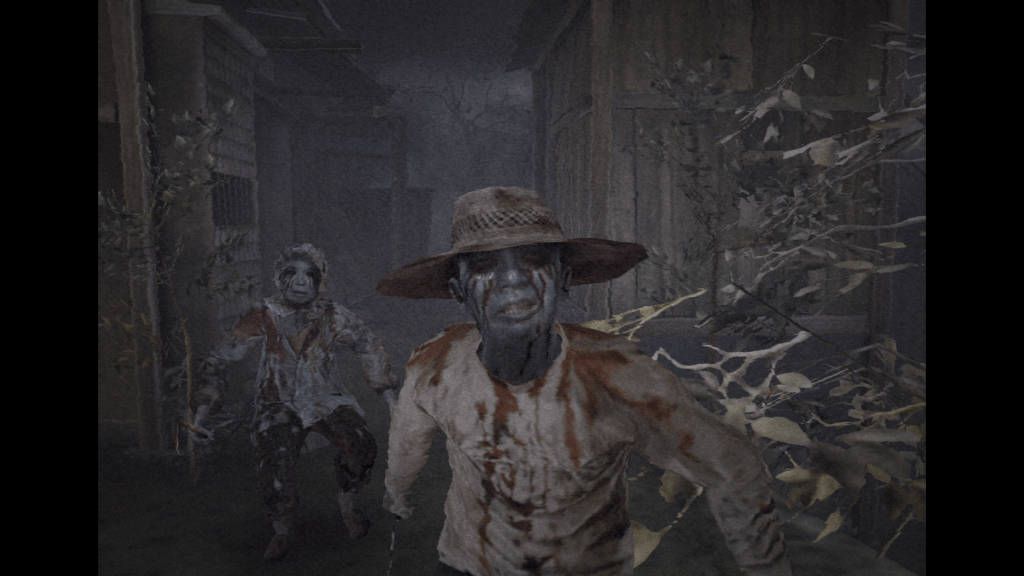
Bearing in mind I was hardly past ten years old at the time, my impression of the era is that companies around the world were still furiously aping the survival horror formula that Resident Evil was perfecting. Hits like Silent Hill and busts like The Ring: Terror’s Realm were all over the place (well, mostly busts). Generally speaking, even though there were many titles, the high quality ones were performing very well and I think there was more than enough space for other companies to just deliver a decent spin on that fixed camera style and make bank. Siren’s developers choosing to break from that path so strongly is something that impresses me greatly given that context.
Siren defaults to being a tank control-style horror game with a third person camera following the player’s character. In certain moments or areas, the game swaps to a fixed camera in order to highlight points of interest, though these are generally brief. Most interesting, though, is the game’s frequent and encouraged use of the rare second person camera angle (a term which I’ll admit, is complex and debatable in so many ways, but bear with me please!)
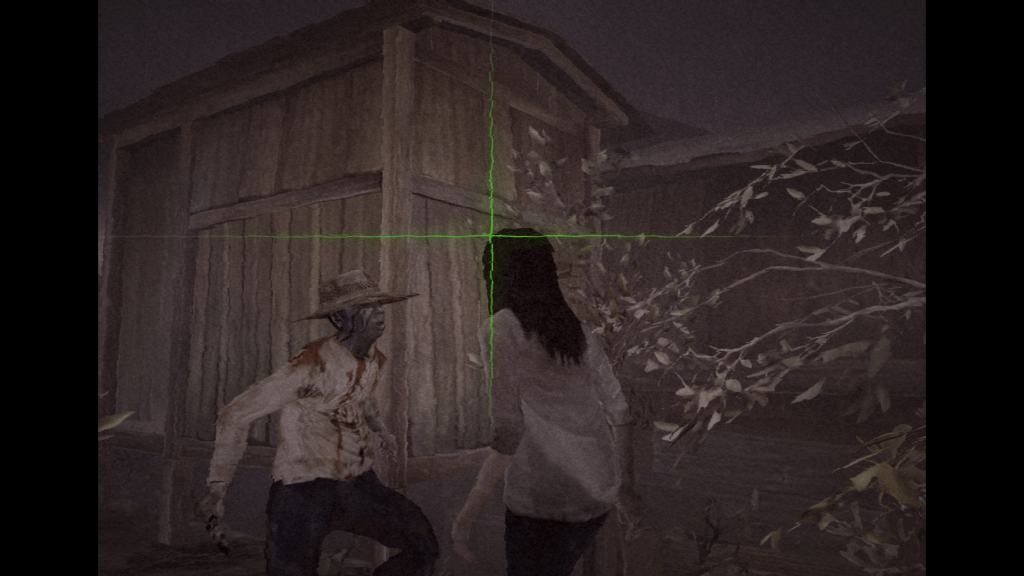
Siren features two main second person perspective elements. The main method this is implemented is through the player controlled “sightjack”. By holding a button and operating the left stick like a tuning dial, you can link up to nearby enemies in order to fully see through their eyes. This includes glimpses at the tools they wield, the ability to watch along with their entire movement path through a stage level, and in some cases access to stage-specific key information that enemy may bear witness to. Sightjacking in this way is more or less mandatory for success. In part this is because off the aforementioned private information some enemies have access to, but largely this is because stealth is often critical in Siren. The other use for the second person perspective is less impactful overall, but serves for some good scares! When an enemy spots you, you’ll briefly see a flash of their perspective. It’s really creepy, and if you’re sharp you’ll get a slight tactical advantage by recognizing where they’re approaching from, but this one’s not so critical a mechanic. In fact, the game even has an option to turn it off completely.
Not content for the camera to be the only radical element, Siren features two other major structural abnormalities. Rather than follow one or two characters across a relatively linear continuity of events, Siren follows nearly a dozen playable characters across 32 missions with frequent cutscenes in between. The missions take place across around ten stages that range in size from the interior of a two story house to the entirety of a small hospital. Each mission offers a main objective, and when other secret conditions are met a second objective will appear, encouraging you to replay it and discover another outcome. These second objectives are actually mostly not optional if you want to see the main story through properly, though they may appear that way at first.
More obscure even than the secondary goals, as you replay missions in search of the true path forward you’ll be occasionally presented with text hints at the start of a level. These hints direct you to comb levels at sometimes truly granular levels in order to set up goals for other levels and characters. This manifests in obvious ways, like opening a locked gate from one side so another character can come through the other side later, but it also brings some degree of narrative weirdness to the table with more… unusual solutions. I’ll circle back to this later, but for now bear in mind that Siren has lots of this, and solving its myriad banal quandaries pays off in a hugely satisfying way as you eventually get to take advantage of your past actions.
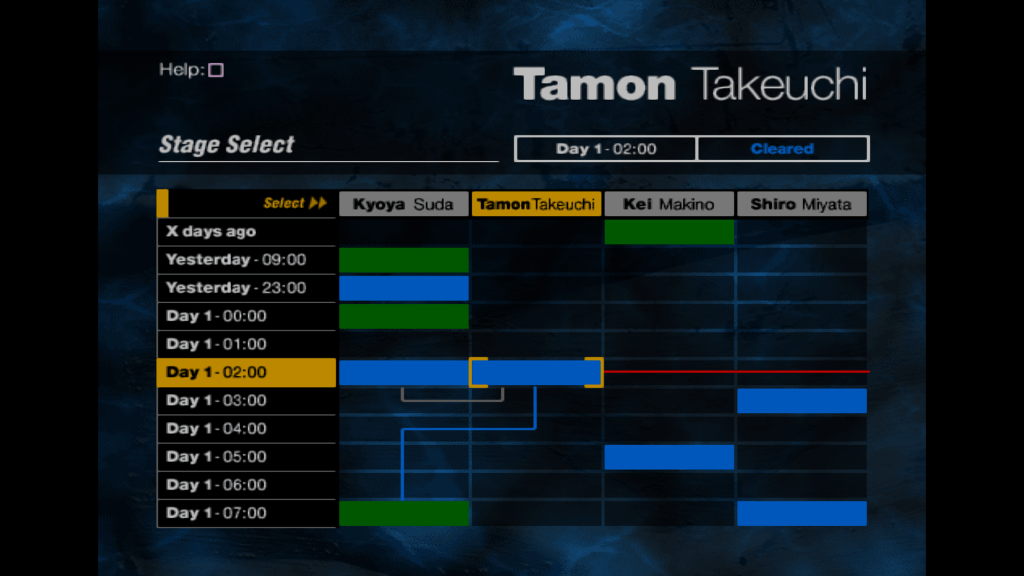
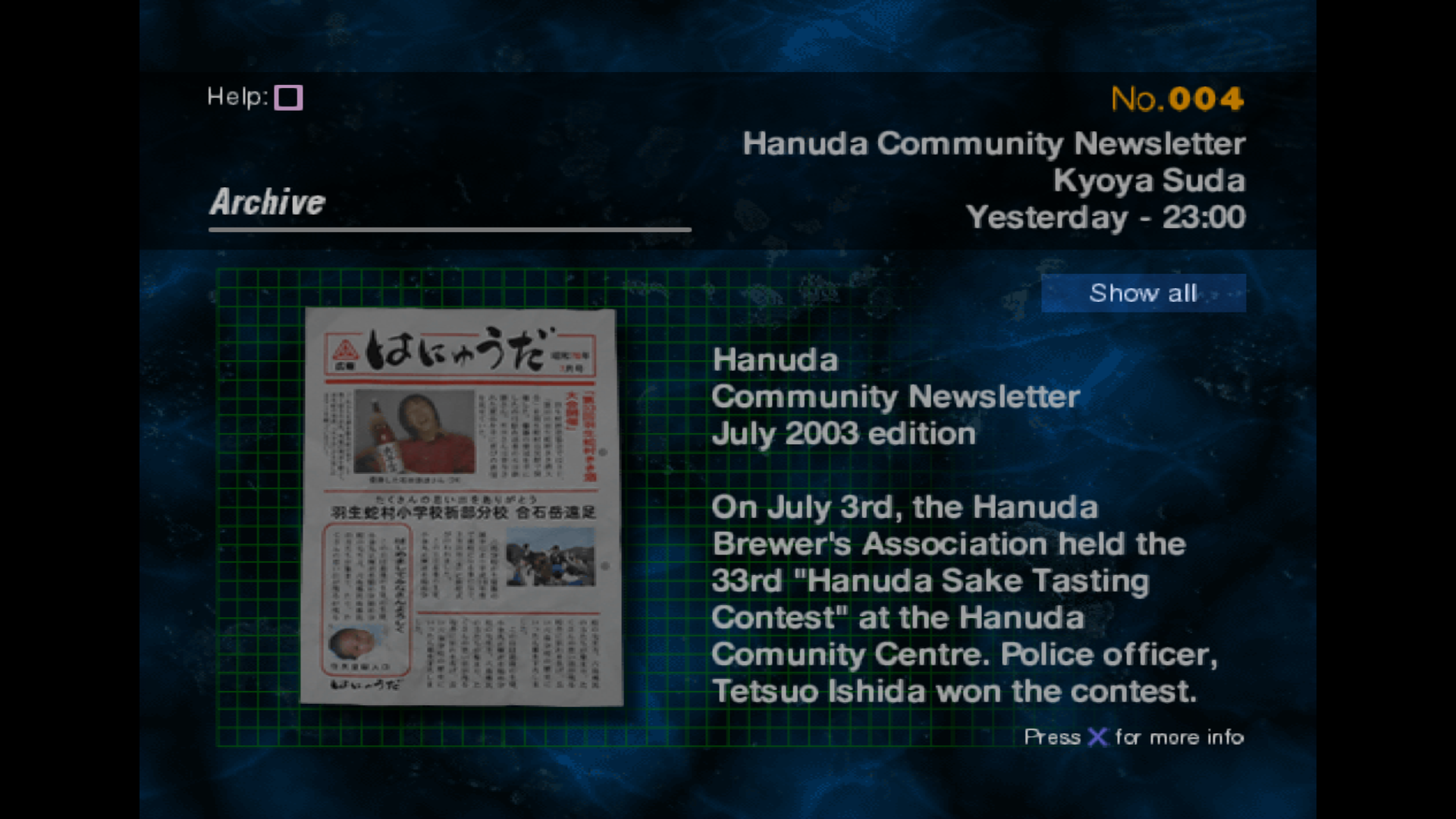
These missions are all structured in a big grid that Zero Escape series fans will get a massive kick out of. Missions are often played out of chronological order, with the player automatically shunted from character to character until you eventually unlock a stage select feature once you reach a certain point in the game. This helps guide the player through many simpler stages that feature borderline tutorial content before letting you fully take control for yourself, and also gives the game’s story a tremendously mysterious quality. The overall narrative direction is initially very unclear (in a good way) and the large cast of characters are seldom introduced in a traditional manner since you meet so many for the first time with their stories already well in progress. You’re left to intuit their intentions and personalities based on the rare interactions they share with other characters and the world around them, and the archive items you’ll find dotted around the levels (these include newspaper clippings, student IDs, personal trinkets, and so on). Put a pin in these archive items, by the way, I’m going to be talking about these again later!
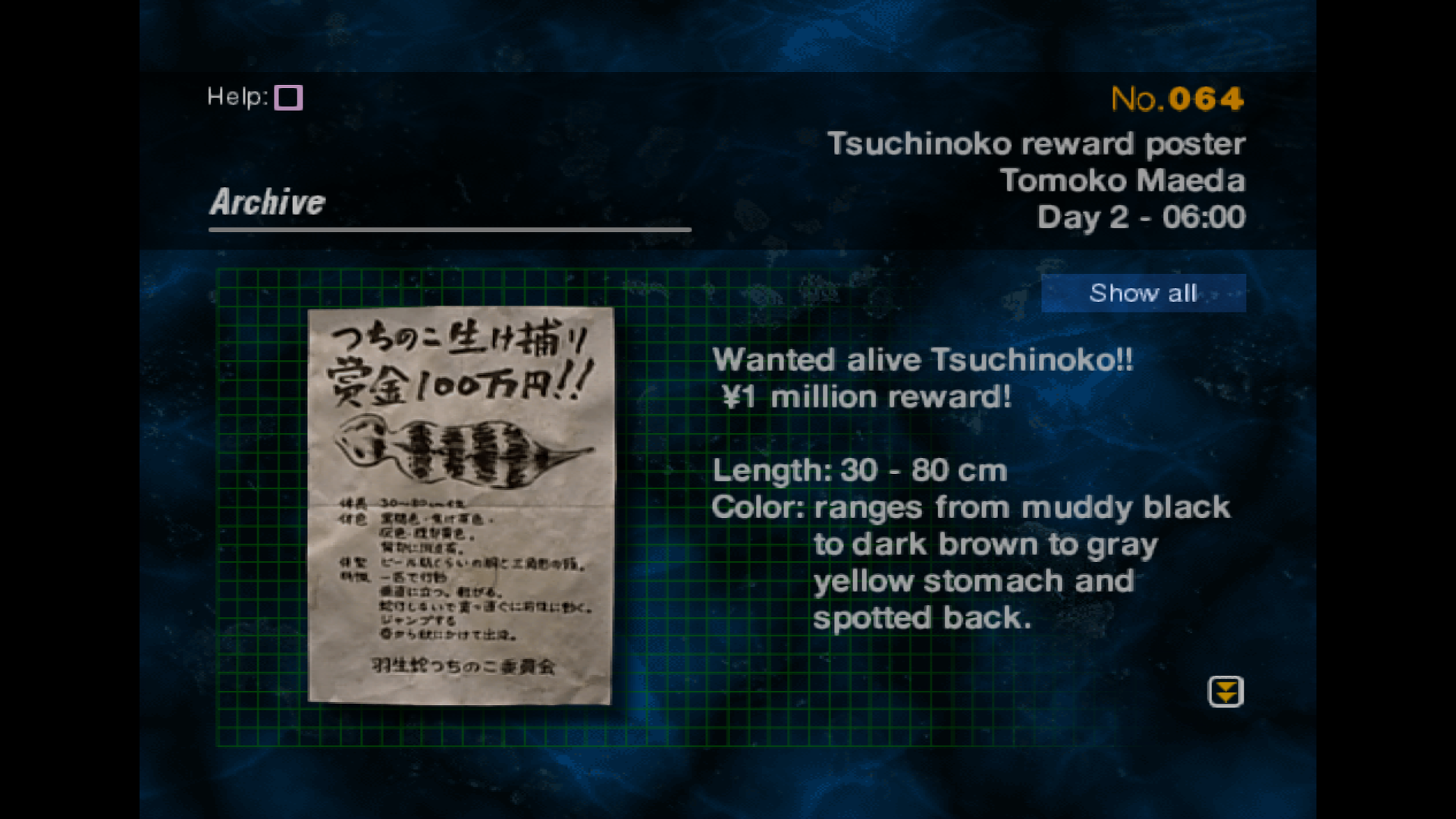
The last big positive I want to talk about is the game’s art, sound, world, UI, presentation, and tone. These all come together in a frankly amazing way. The look of the game is just lovely. Though obviously dated, the game strives for a strong sense of realism like Toyama’s previous title, Silent Hill. Top notch photogrammetry was used for the world and character’s appearances, lending the whole game a strongly realistic look for the time.
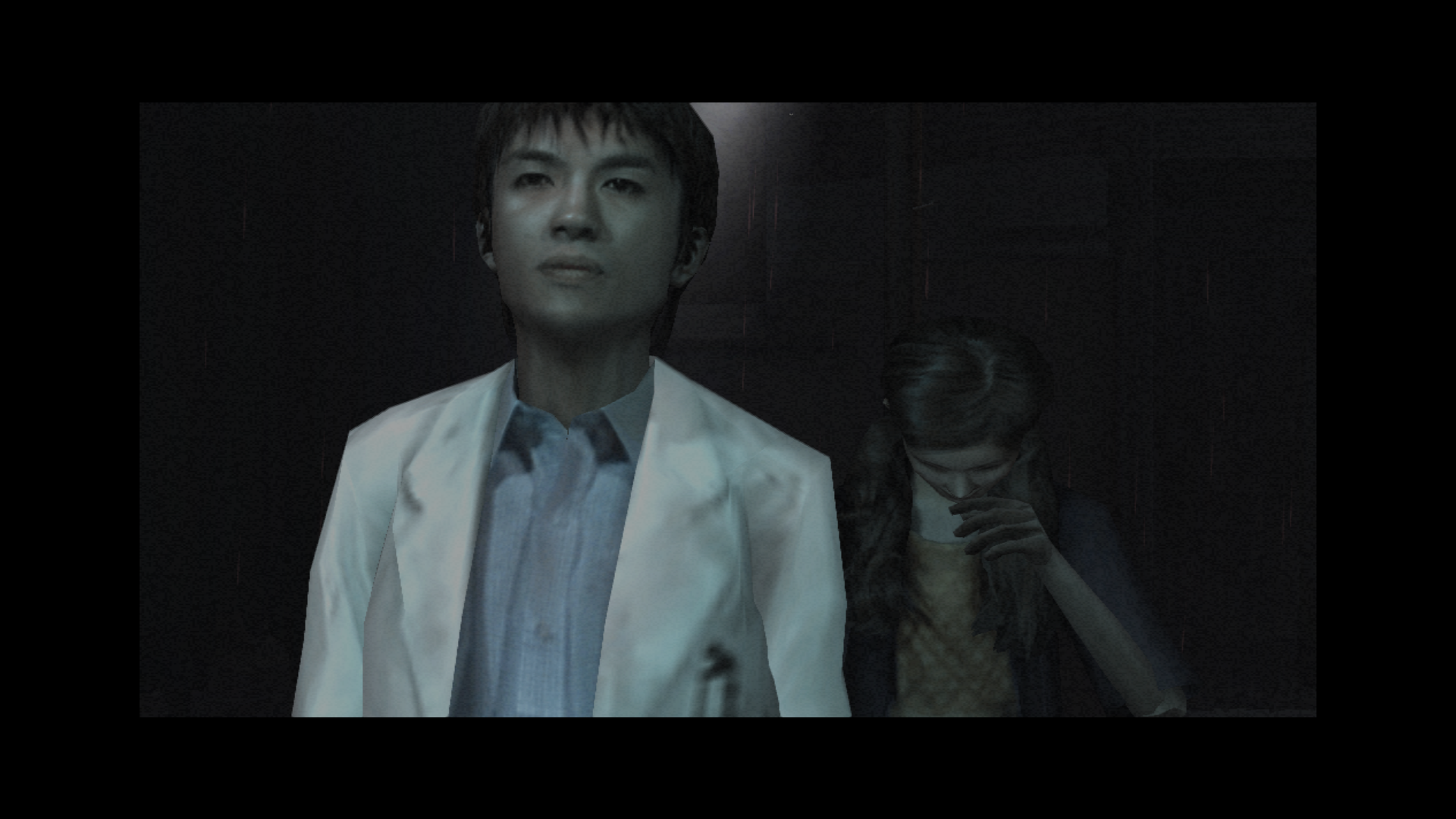
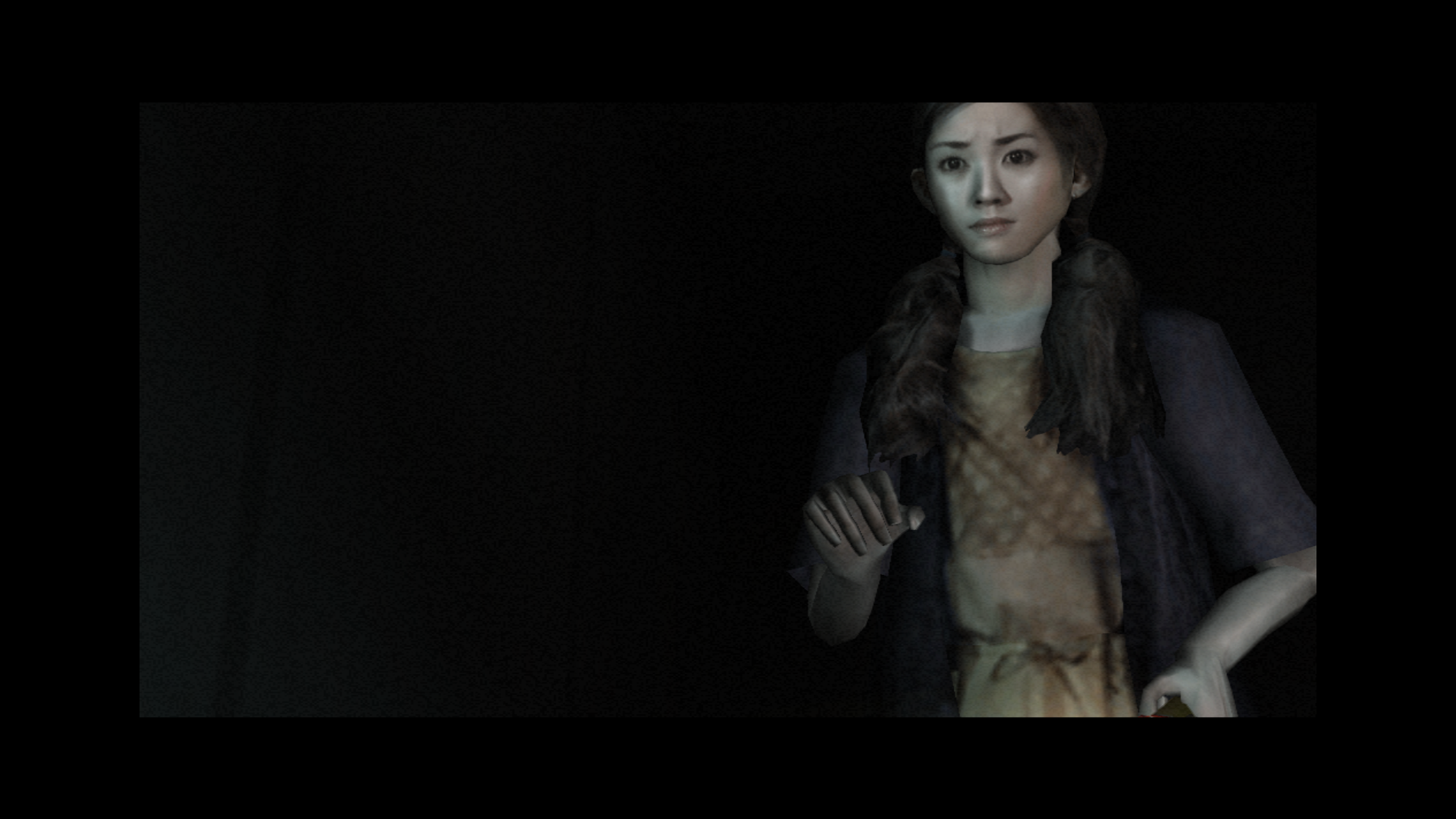
Although characters can sometimes look uncanny, when they face the camera juuuust right, you can really see the merits of the approach they were going for. If you’ve ever seen L.A. Noire in motion, this is kind of similar to that at a simpler level. Having lived in Japan for almost two years now, I feel very confident in saying that the town of Hanuda feels incredibly authentic to countryside towns here as well. The game strongly recalls Shenmue here in terms of the level of detail, from the general look of rural Japan, to the minutiae and details of the many building interiors. Everywhere feels lived in, and you can get a real sense for the town before the events of the game went down just from how everything looks and feels.
Like Silent Hill before it, Siren does not present any traditional UI elements in normal gameplay, opting to go for unique context menus that you don’t really see in many games. At any point you can hit the triangle button to open a context menu (think right clicking on a computer) and perform a generic action, like shouting. As you navigate through the game and try the menu all over the place, you’ll uncover dozens of contextual interactions around the town. The ability to get up close and interact with so many little elements of the world feels really good, and that physicality develops a great relationship with the levels. Through your journey, you’ll be entering the game’s ten stages across a minimum of 64 missions to complete everything. Although the venues repeat frequently, they’re rearranged and usually used extremely well on repeat trips, and you’ll eventually come to be intimately familiar with every nook and cranny in a way that reminds me of repeat runs through stages in Hitman: World of Assassination.
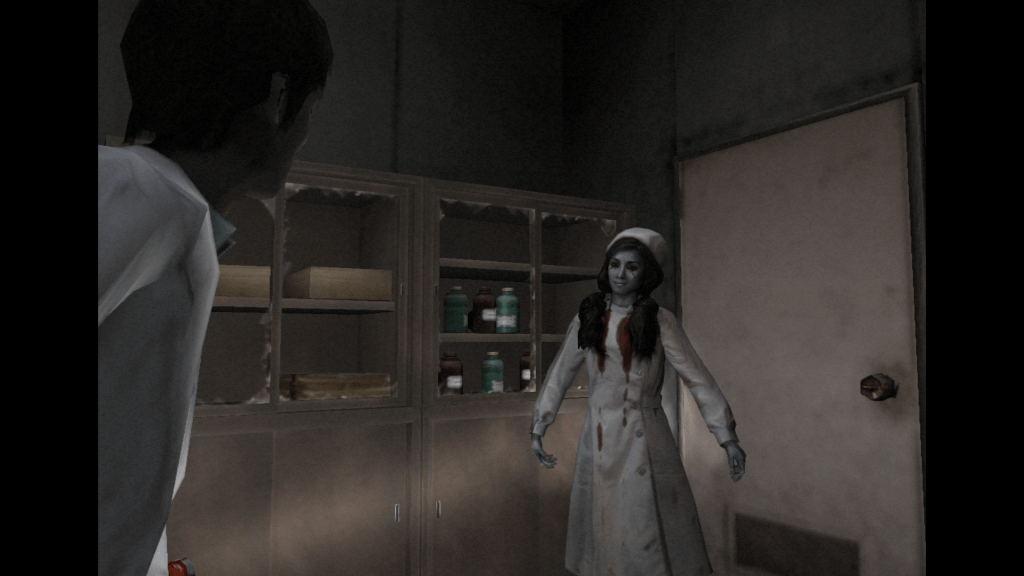
In learning level layouts, you’ll also end up reading and discovering tons about the town, their customs, and a surprisingly broad history of the area and townsfolk. This all comes together in an extremely compelling way, with great detail where it’s needed and tasty ambiguity where it’s best served. The game deals heavily with cults/religion and UMAs (essentially the Japanese version of cryptids) feature heavily both as window dressing and as excellent red herrings as you move through the story. I don’t want to spoil anything, but while playing I went back and forth a few times on what the origin of the village’s troubles must be, and the conclusions the game left me with were still satisfying. The narrative design truly excels in doling out careful selections of worldbuilding, and you’ll quickly acquire a taste for the succulent breadcrumbs it trails around.
With all these incredible sounding elements on show, you must be thinking that this game should surely be much more popular than it is? How is it that such a creative and well-executed game has more or less been forgotten to time within the anglosphere (outside of horror freaks and old people like me, of course)?
The answer is unfortunately quite clear; the game is tremendous in spite of itself. While I could sit here all day raving about why Siren is a masterpiece, not confronting its many flaws and user-facing difficulties wouldn’t be doing justice to the whole picture of what Siren is.
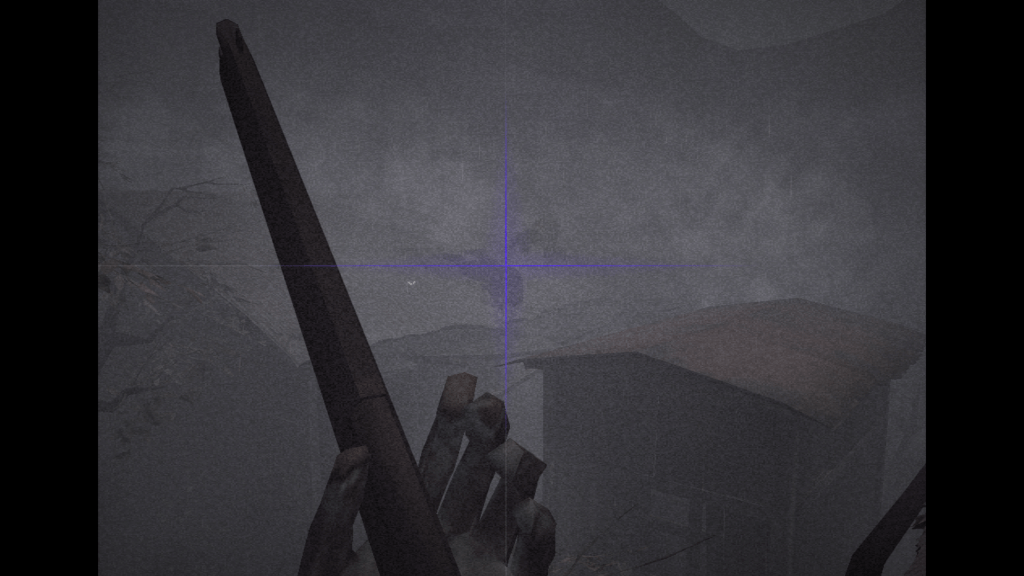
To start off, Siren is extremely difficult. Like, really fucking hard. Characters tend to be on the fragile side, with a few swipes or a couple of bullets taking you down quickly. Depending on the character and the level you’ll have access to adequate melee combat skills, but only really enough to reliably take down one enemy at a time, and only once you get a handle on it. In about a third of the levels, you’ll have access to guns with varying ammunition quantities. These make your life a hell of a lot easier as every character is pretty handy with them, but they’re not always a silver bullet (ha). Part of what makes dealing with enemies so challenging is that almost every combat encounter can only at best offer a temporary solution. Upon defeat, almost every enemy in the game will begin the process of regenerating before getting back up and resuming their activities in the level.
What this means is that combat is in many instances more of a crutch for your lapses in stealth ability. While being aggressive has its place in many stages, in sneakier zones combat is truly a last-ditch chance to save your run and get back on track. Nothing more. Enemies offer no rewards when defeated, so your ability to assess risk is always crucial. Even when combat is working as you’d hope, it can occasionally be fiddly. Press your melee button a few frames too early, and the input will likely be eaten by whatever animation you were stuck in at the time. Press it a touch too late and the enemy is already on top of you. God forbid you’re facing up a handful of enemies in the game that I’ve taken to calling “the walls”- enemies who are obviously (but secretly) pumped up in many parameters as a way of preventing you from going in a certain direction in a given stage layout. Frustratingly, there’s no way to identify these enemies or whether or not that direction is intended for the level until you’ve already engaged in combat with them, at which point you will certainly die very quickly. These hyper aggressive power enemies can often feel like a real design faux-pas in the way they’re implemented, and one of these enemies in particular always felt like an absolute crapshoot to deal with, which had me turning to the PS5 emulator’s rewind feature in frustration.
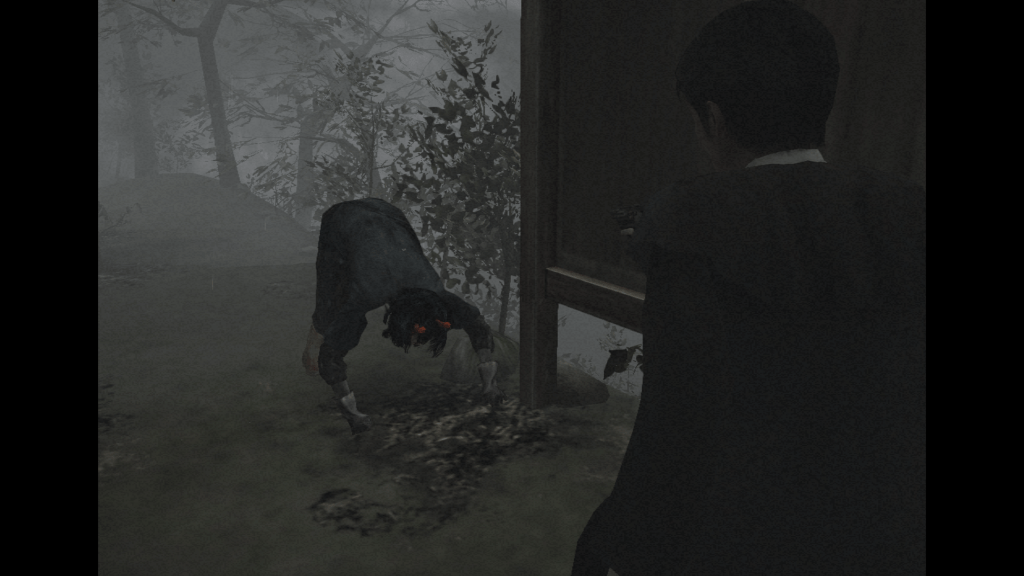
This leads to a second element of Siren’s harshness- death. You will be replaying these missions a lot as you struggle through their goals for the first time, and few of them offer checkpoints. When a level does have checkpoints, it’s usually one at most (I’m not entirely sure if there even is a stage with two), but many levels don’t offer any at all. Although levels are usually short if you know exactly what you’re doing, it can sometimes take quite a bit of time to learn the stage before you nail your first successful run. This is all usually tolerable assuming you have the patience to replay levels in the first place, but there are occasional quirks that make it even harder to manage.
For one, there’s a child character who you get to play as a few times (and escort through one particularly painful level) and given that the developers seemingly (and understandably) didn’t want to portray any sort of realistic violence towards children, you’re immediately awarded a game over if an enemy hostile to her gets too close to her. One of the levels in which you play as this child has her hiding in the closet at the beginning of a stage. You’ll quickly sightjack the enemies nearby and realize that you need to watch what they’re doing and time a perfect escape by weaving through their blind spots, which is a really cool scenario that’s quite different from every other level in the game. Despite the cool concept, the escape is easier said than done for a variety of reasons. The most frustrating reason is easily that you have to wait in the closet for nearly two minutes at the start of the stage to reach the first opportunity to sneak out. I double checked a speedrun of the game to make sure I wasn’t missing something, and sure enough, there was no faster strategy on display for this section as far as I could tell. This obviously ends up feeling annoying rather quickly, especially given that she can’t fight back if you do mess up, as she suffers from the aforementioned instant game overs in hostile enemy presence.
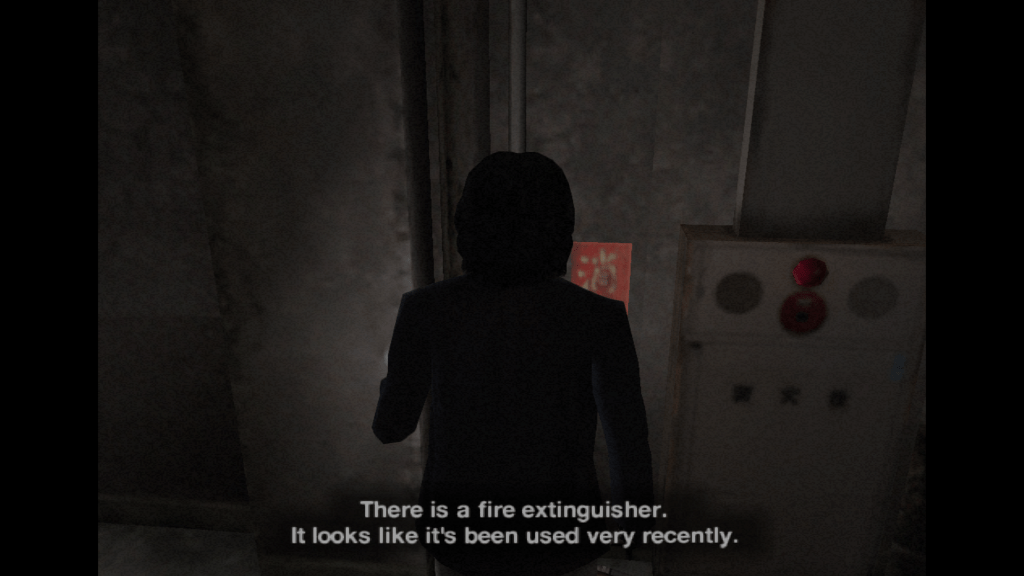
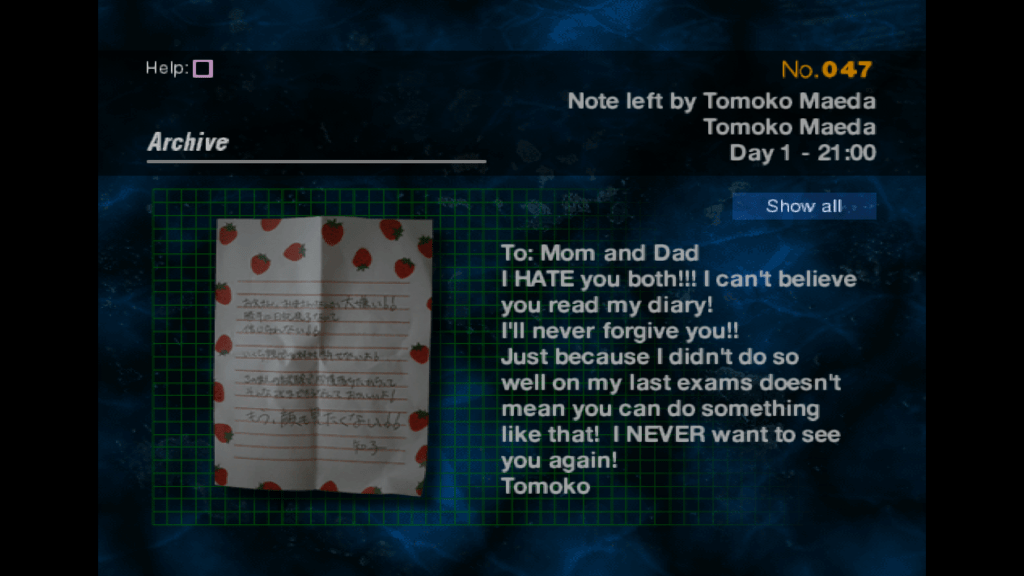
This is admittedly all pretty normal stuff when I type it out like this, but I promise that once you tangle with Siren’s difficulty you’ll absolutely see how abrasive this makes the game for a huge amount of people not willing to push through the harsh learning curve. In relation to death, there’s an element that I honestly have to assume is a design oversight that is truly terrible to contend with. During the course of a level, if you collect those archive items I spoke about a few paragraphs ago and then you die, you lose the item regardless of any checkpoints passed. This means that in some cases you can pick up an archive, walk past a checkpoint, die and lose that archive, and reappear at that checkpoint, and then be unable to backtrack to the lost archive. It would be one thing to lose items on death since your last checkpoint in service of maintaining a continuity in the world, but losing items found before your last checkpoint is outright unfair in my opinion. As far as I’m concerned, it also doesn’t maintain internal game logic either with how your non-archive items are often maintained after a checkpoint.
It’s such an obvious problem that I initially couldn’t help but assume it was a bug, but surely something so obvious would have been noticed by nearly anyone playing through the game. Alas, it shipped this way, so we’re all stuck with it forever. If you’re open to using save states, plopping one after you trigger a checkpoint is probably the best thing you can do to maintain the game’s vibe while giving yourself a break. If you’re wondering why I’m spending so much explaining this little quirk, I’ll tell you. The game has two secret cutscenes that you’re awarded with only upon successful collection of all 100 archives. This is tricky to do in the first place, but this issue can make a few frustrating to lock in. Given that the game implicitly encourages full archive collection for these rewards in spite of these issues, I figured I’d at least do you the grace of offering these words of caution! Although for what it’s worth, despite the story being overall awesome, these secret cutscenes are thankfully very skippable if this is more effort than they’re worth to you.
There is only really one mercy in game overs, which is that the game does actually allow you to skip almost all cutscenes and conversations, making the actual replay process quite fast as you acclimatize to the stage. Genuinely big ups to the staff who made that happen.
The last thing that I’d say is a real issue with Siren is that the game is occasionally unbelievably opaque about what you need to do to progress. This happens, genuinely, to a degree that feels completely unfair at times. Please bear in mind that I fancy myself pretty good at video games on the whole as you read through this bit.
Within the first third of the game, my wife and I felt we had to look up the solution to one of the mandatory second mission objectives after bashing our heads against it for close to an hour. It turned out that although the game had detected we were far enough to be offered the second mission objective, the game doesn’t always actually check to see if you’ve performed all the necessary actions in a previous level to clear the objective. This leaves you basically flailing until you decide to quit the level and try something else.
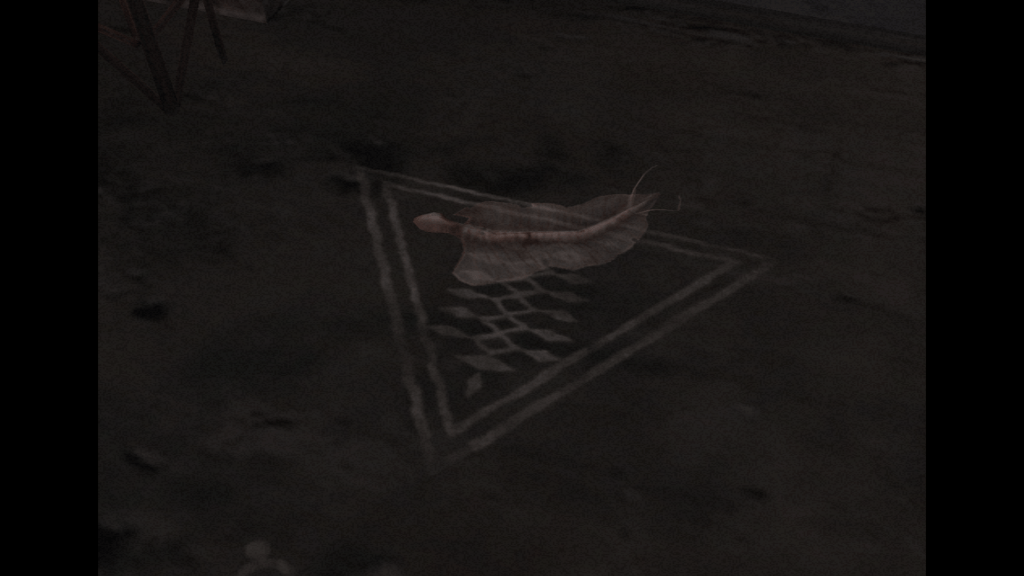
Anyone who knows me well knows that I love solving obtuse bullshit in games. It’s hugely rewarding to have to think outside the box and manage to do it on your own. Finding out that the game can occasionally trick you like this made us realize that we were in for an ordeal, though. While looking up the solution to that puzzle, a paragraph early in the FAQ we were looking at stuck with me hard.
Siren FAQ writer AKheon wrote “Siren can be an amazingly obscure game. It’s sometimes almost impossible to figure out what it wants from the player. I suspect no one in the world has ever completed this game without a FAQ or a walkthrough of some kind – it’s just THAT obtuse and hard. Want to be the first? It’s still not too late to close the FAQ and try it!”
If you’re like me, you’re probably balking at the suspicion that nobody in the world had ever managed this. Despite the fact that I was already in the FAQ looking for an answer, I also balked! From then on, I decided I would no longer use a guide. I’d prove AKheon wrong from this point on, and then we’d know for sure that it was doable.
The very next evening, I was back in the guide looking for help. Surely someone out there has managed, right?
Right?
A look at my Japanese game sales archive of choice showed me that Siren had sold just shy of 165,000 units at retail in Japan. I’d be very surprised if the original PS2 release managed to accrue over 400,000 sales worldwide, given that info and given that I think it was most popular in Japan. The game has since been rereleased digitally on PS3, PS4, and PS5, but given the low quantity of engagement with the public metrics on them (scraped trophy data, store review quantities, etc), I’d be surprised if Siren ever crossed the 500,000 mark after all these years of being widely available for ten bucks or less, but this is all just educated speculation. The actual pool of people who ever played Siren before free internet walkthroughs would have been available for it is quite small, and a quick search through ISBN data shows me that the Japanese strategy guide launched alongside the game, with a second print release less than two months later. The North American guide released during the same week as the game, as well. Bearing in mind that strategy guides are written using a lot of info sent directly from the development team and the game’s manual also contains level-speicific pointers, people have had full access to written solutions and help provided by the developers since day one of Siren’s existence.
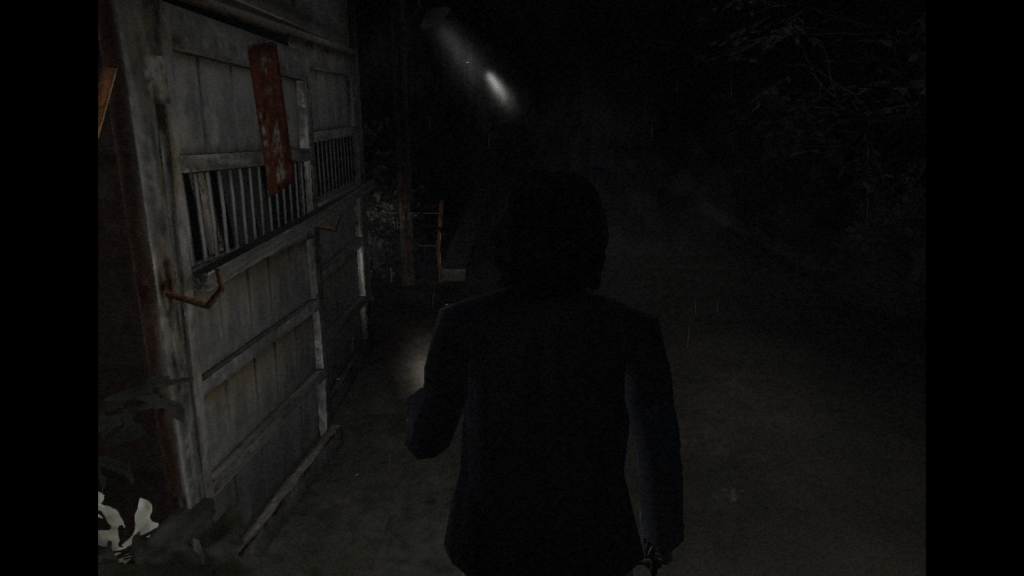
Having now completed Siren fully, I just want to say that I’m 100% on-board team “I suspect no one in the world has ever completed this game without a FAQ or a walkthrough of some kind”. There are some people on the internet who claim to have done it completely on their own, but I’m not even sure if I believe them! For fellow Siren-heads reading this and mulling the idea, I want to remind you of some levels, like the one where you need to find a family grave, or the level where you need to light candles. Some of this stuff is so insanely well-hidden in spots that you would never think to look in, it’s hard to imagine a single person managing to solve each and every one. I don’t want to fully spoil anyone who wants to take the challenge, but just be warned that you will almost definitely need help at some point.
At very least, I would recommend that anyone curious read scans of the game’s manual online, which contains helpful information you won’t find in the game. It’s worth noting that not everything in the manual is gospel, though, as the manual itself insists you won’t be given secondary objectives without having the criteria fully met, which I and the dozens of Siren strugglebuddies out there definitely know isn’t true. For anyone curious for a flip through the good stuff, page 21 of the manual lays out just how complex it can be just to get to grips with just the game’s structure, pages 22 and 23 contain helpful tips I wish I had when I started, and pages 26 and 27 are legitimately just a list of extra pointers to solve the game’s puzzles. Skip those last two pages if you really want to attempt it without a guide!
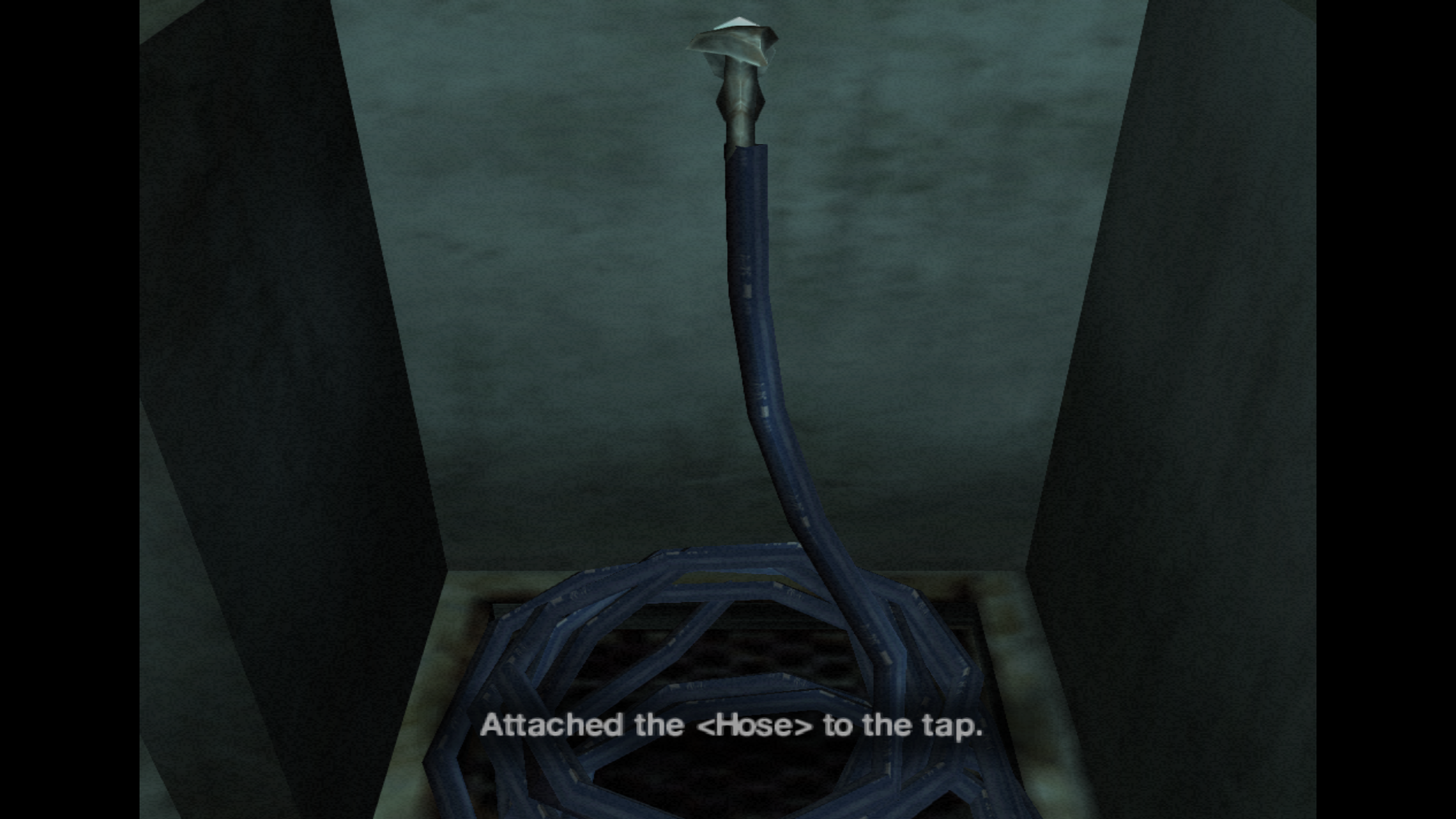
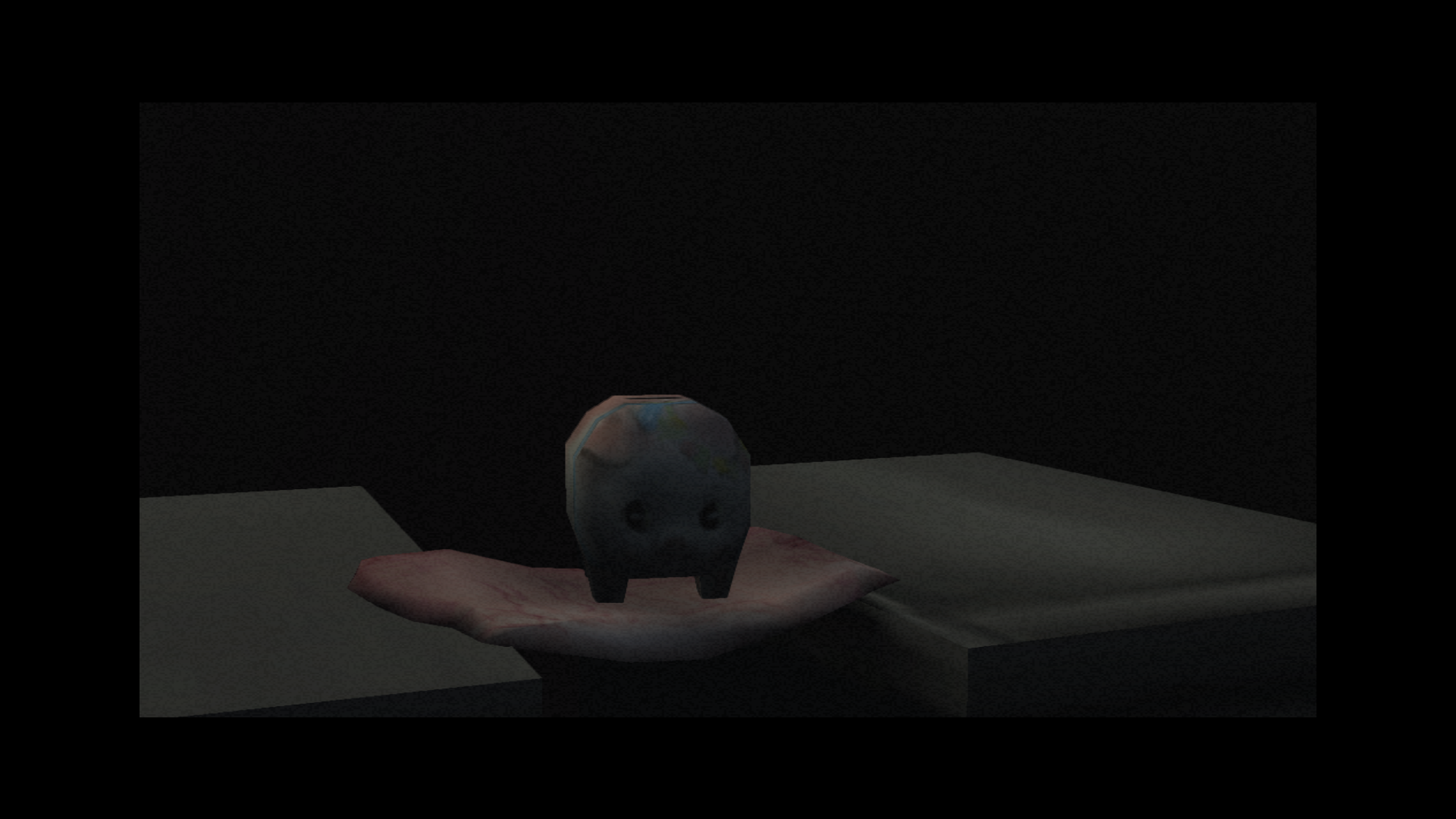
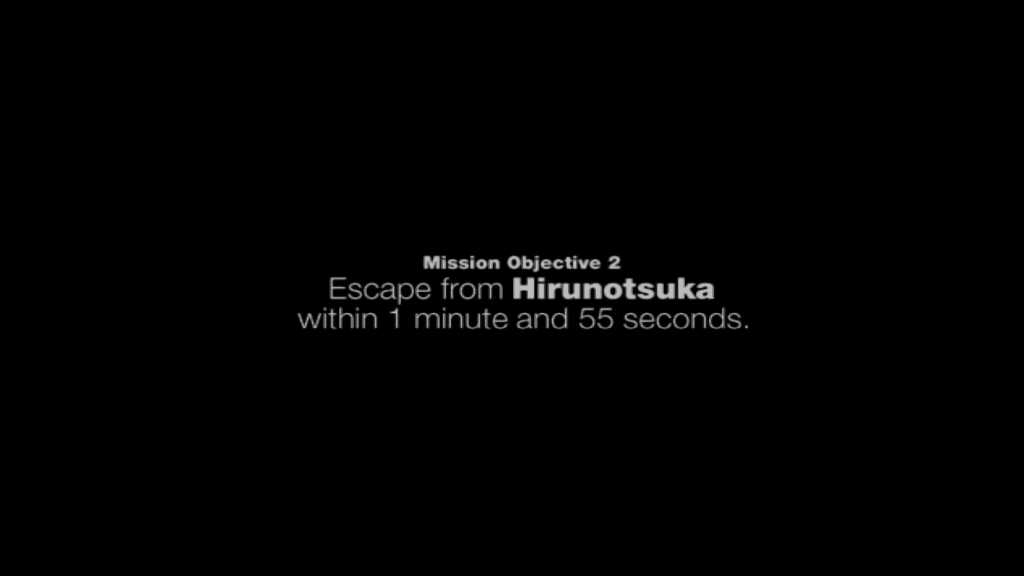
Getting back on track here, there’s one last minor thing that I’d like to talk about, which is that for a game with so many narrative strengths, there sure are some odd things you need to get your characters to do for seemingly no reason. Do you want to make your character take this entire garden hose with you? I’m not sure why you’d do it, but maybe it’ll pay off. Or maybe you’d like to wet this towel, plug in a freezer, and then just leave the soggy cloth in there for whoever might come across it next? Fine by me, I guess, but who knows what it’s for? These admittedly do create some extremely charismatic and memorable moments for the game, which is awesome, but you really can’t scrutinize them too much, or else you’ll realize that many characters often do things that are out of their way or completely useless to them for no reason. Two stages even offer up (mandatory) secondary objectives that are simply races against strict one minute and fifty-five second timers. Though these provide more variety to the game, there’s really no clear narrative reason why these stages’ outcomes would be meaningfully different when beaten quickly, and these two stand out as some of the worst offendersgiven how meaningless the arbitrary goal times are. Race-against-the-clock levels aside, I feel this is ultimately a minor quibble, and I don’t personally view it as a negative, but I think these ludonarrative quirks are worth noting.
A similarly low-stakes complaint is Siren’s painful excellent English dub. It’s all you’ve got available in any English version of the game, and… well, it’s quite a trip. At first I found it annoying and lamented not having the Japanese dub available after taking a second to check how good the Japanese lipsync was on Youtube (it’s quite good), but after finishing the game, I must admit that myself and my wife were very attached to the unique qualities of the English dub. The game is extremely Japanese, and some cultural elements don’t translate super well through early 2000s-era dub writing. Your mileage will ultimately vary pretty heavily on this, but I think it’s worth pushing through any initial uncertainty!
Before I close out, I have a few notes on the version of the game I played, which was the recent excellent emulated release on PS4 and PS5 (not to be confused with the other emulated version of Siren on PS4 in 2016 under PlayStation’s last failed PS2 emulation initiative). I played the new PS5 release, but the emulation is by all accounts identical in the 2023 PS4 version that launched alongside it. A genuinely huge positive is access to the PAL version of the game, named “Forbidden Siren”. This is actually the version I played, as I had read that the North American version had a few cutscenes involving suicide trimmed down for that release along with some other minor changes. If you can handle that kind of hard subject matter, I highly recommend using the emulator’s built in access to the PAL version instead of the North American.
This new PS2 emulation wrapper also supports save states and a rewind feature, which can be helpful if you ever feel like you’re fully done with trying to brute force a frustrating situation, which I assure you this game has plenty of. Playing a version without save states will almost certainly add hours to your playtime as you contend with a few of the game’s harshest scenarios. I used save states a few times, which I was disappointed about having to do, but in the end I’m glad I did because becoming truly frustrated with a game is almost never worth it. Although I have many complaints about PlayStation’s current PS1/PS2/PSP emulation setup, I must admit that Siren’s rerelease seems totally free of meaningful issues, and it comes recommended as the best official way to play. A quick Google tells me that Siren apparently plays great when emulated on PC, so give that a look too if it’s more your speed!

Despite what I knew about Siren going into it, I really was just expecting a quick and straightforward horror romp. I’m comfortable with survival horror games having a few head-scratchers or a spot of tough combat, but I genuinely scoffed at howlongtobeat.com’s 19.5 hour estimate for beating the game at first. Though I eventually reached 100% completion around 21 hours in, I had a hard time understanding just how tricky and difficult this game would be. I thought little of the notion that this game was unbeatable without a guide before absolutely turning to one myself. I had no idea that a game with so many glaring issues would become one of my favourites of the year, and despite being a fan of Keiichiro Toyama’s other works, I certainly didn’t expect to join the Siren faithful so quickly. Nonetheless, here I am, strongly recommending that if you have a device that can play Siren, you should take the jump. Siren sits comfortably at the apex point of flawed masterpieces, brimming with genius ideas, quirky puzzles, and amazing art, but also overflowing with crippling difficulty and design issues. I think it’s an extremely worthwhile play, and if you’re able to trust the game’s developers enough to persist through the troubles, you’ll find yourself a new convert as well. Just don’t forget to bring a guide along for the journey, you’re going to need it.
tl;dr
Despite being over 20 years old, Siren’s particular blend of level-based survival horror has very few imitators and stands tall as a truly excellent and innovative game, in spite of its shortcomings.


 「RISINGSUPERBLOG」
Leave a reply to madsinzero Cancel reply