Publisher: Nintendo
Developer: Mages
Release Date: August 29th, 2024
Version Played: Nintendo Switch
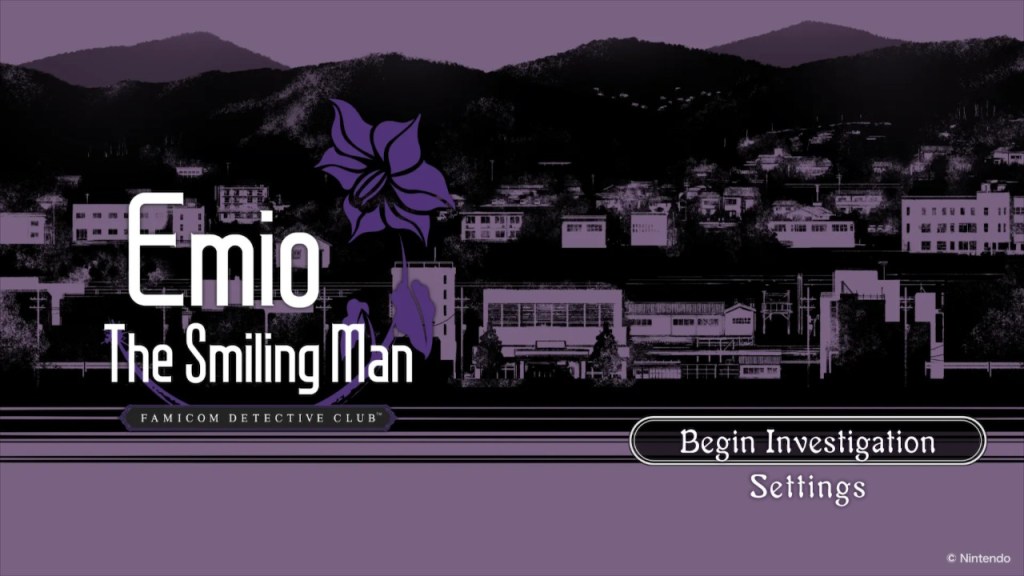
This article is the third of a three-part series on the Nintendo Switch Famicom Detective Club titles.
Click here to jump to Part I – Famicom Detective Club: The Missing Heir.
Click here to jump to Part II – Famicom Detective Club: The Girl Who Stands Behind.
Along the lengthy bus route from Gunma prefecture back to Tokyo station, I finally wrapped up my playthrough of Emio in a marathon three hour play session. Surrounded mostly by strangers, the powerful final act of the game left me in a mess of tears, but I was too busy contemplating the deeply tragic story to worry too much about how I must have looked. Emio shoots high with its story, and while I think the game is solid on the whole, the dark and emotional finale is truly moving. I’ve done my best to avoid spoilers in this writeup in service to keeping its best secrets hidden, and I’ll do my best to properly tell you why this game is so special without ruining it for you.

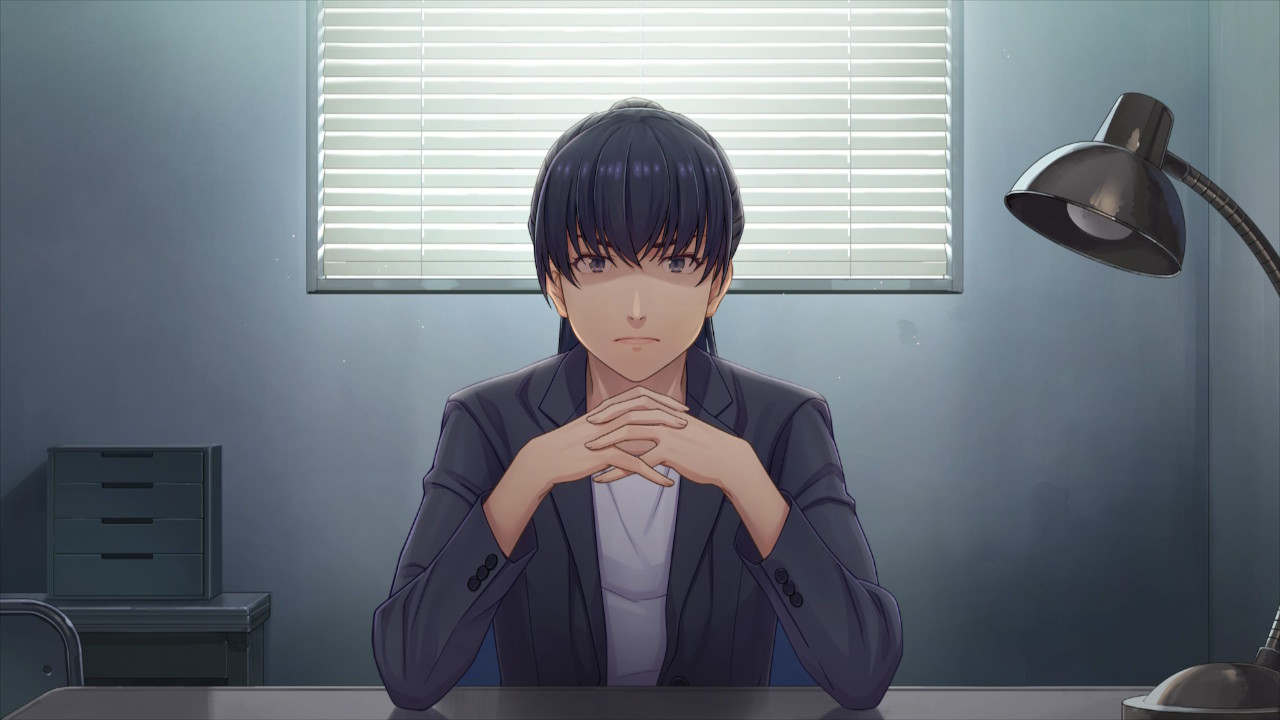
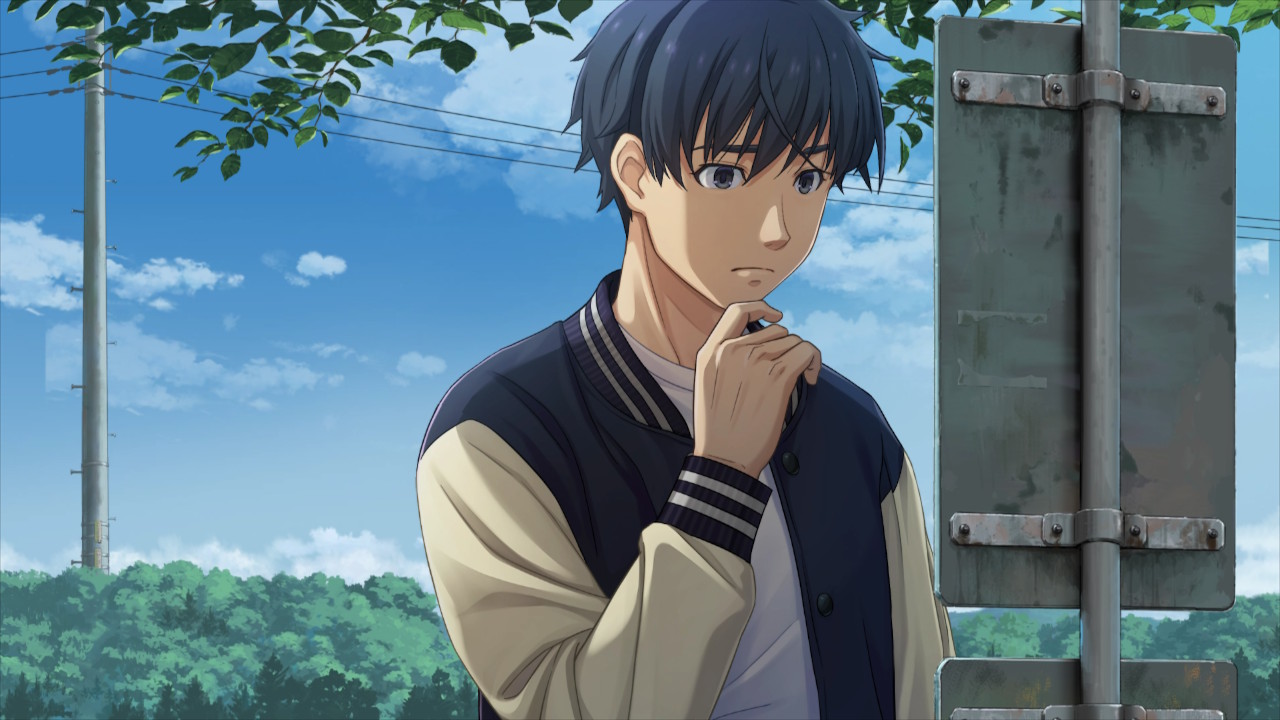
As the third game in the series, I think a lot of people are wondering how it stands among them. I think I’ve made it pretty clear in my past essays on the series that I don’t really think either of the two Switch remakes are particularly top-notch in terms of story (I’m assuming the originals are just about identical).Thankfully, Emio delivers. Big time. I’m also happy to say that at this point I really don’t think you need to play the original titles to thoroughly enjoy Emio. While there are many little references to previous titles, it’s clear that the writing team steered clear from relying on them as foundational narrative elements for Emio, and I think that’s a really good thing. The first two titles are… decent? Not amazing, anyways. It would have been tough for me to really recommend them as mandatory material before Emio, so I’m just glad I don’t have to. The game does offer to import your player name from the previous titles if you have your save data handy, which is a really cute touch, though!
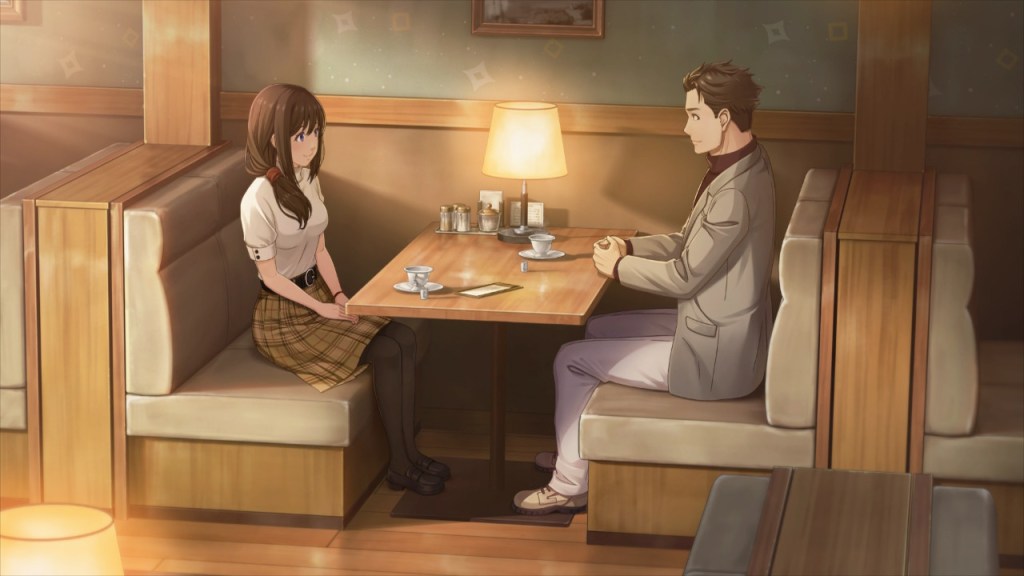
The first thing you’ll notice if you’re coming in from the previous Switch remakes is the remarkable visual consistency between the games. Given that the team likely made Emio directly back-to-back with the 2021 Switch remakes, this sort of consistency in feeling is to be expected, but still very much appreciated. In terms of visuals, I think the game actually surpasses the previous titles, with a more varied cast and larger volume of environments than ever. The series’ loving adherence to its late 80’s/early 90’s Japan setting is still completely on-point, and brimming with authenticity- you even get to go to a snack bar! Outside of Yakuza, I don’t know if I’ve ever seen one in a game! There are more animated sequences and gimmicks (such as cars passing by in the backgrounds of certain scenes) that make the world feel more alive than most ADV and visual novel style titles as well. The difference in volume is really noticeable as you navigate Emio, and by my extremely non-scientific measure it feels about 30-50% bigger in just about every way without compromising the quality at all.
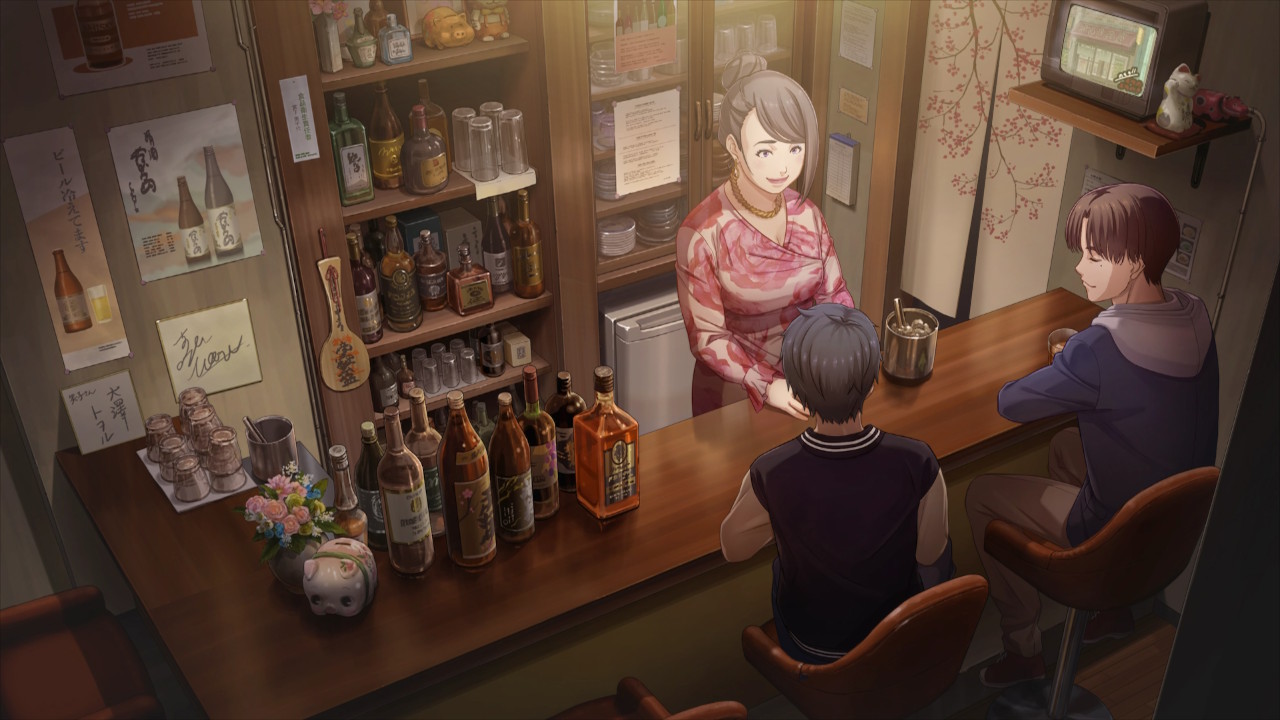
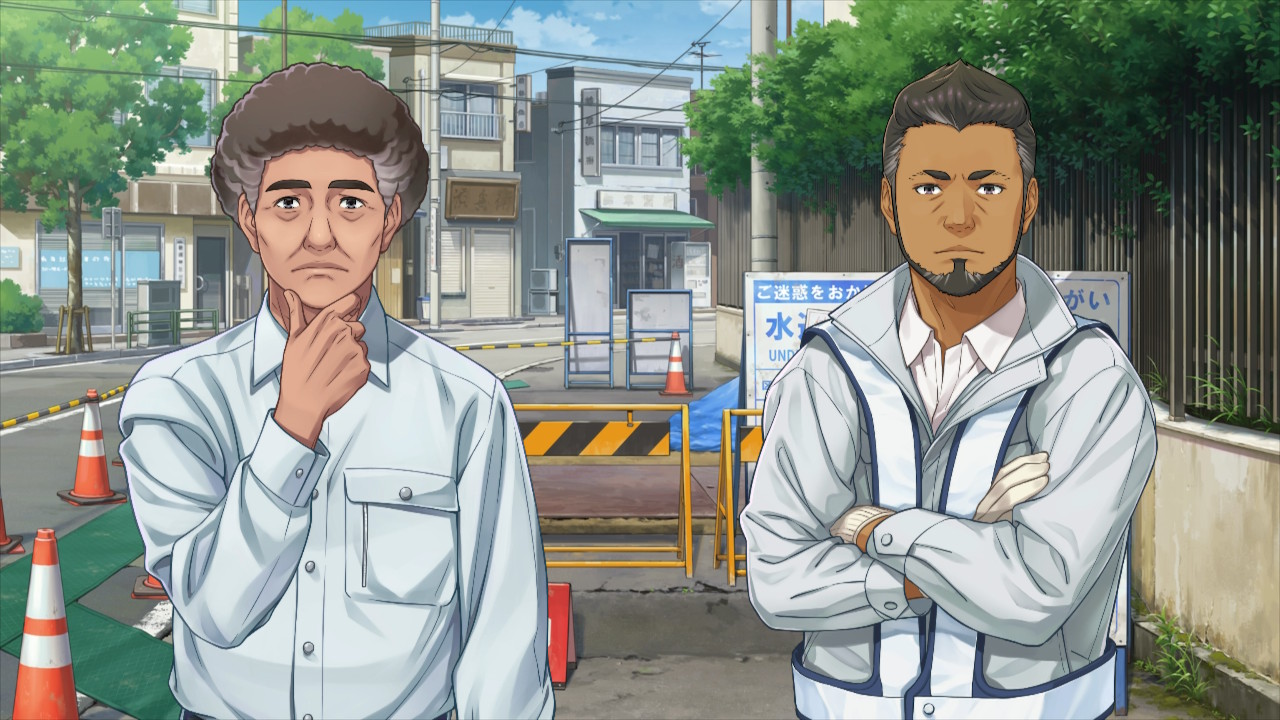
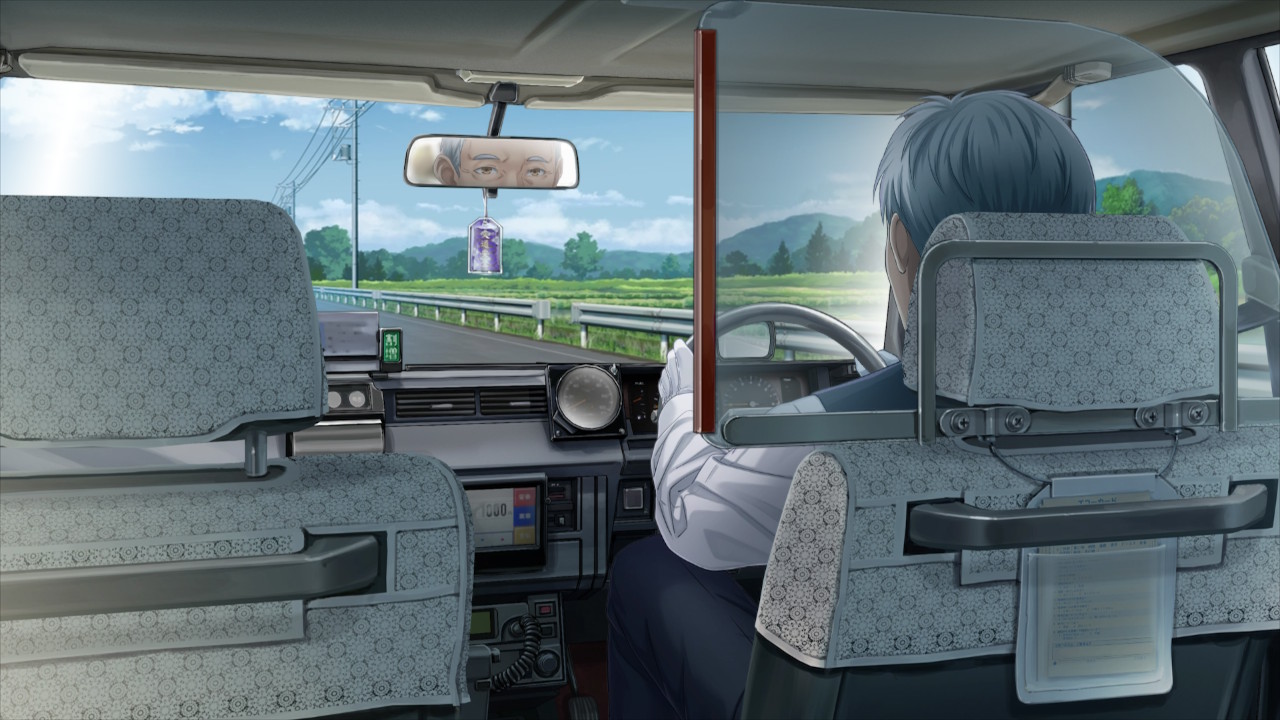

Gameplay is still more or less the same as before, but there are some extremely tasteful changes that add a lot to the game. First and foremost, this game fully embraces a new dual-protagonist setup, with the main character and series mainstay Ayumi Tachibana each getting a chance to work through hours of detective work under your control. While I’ll admit this is more of a narrative design element than a gameplay element, this change improves the pace of the game by allowing your characters to shuffle between different roles in a way that leaves less downtime in between the larger conversation sections, so I’m choosing to couch it in the gameplay section. Previous games only really kept you on one narrative track, but jumping back and forth here is done very tastefully and only serves to improve gameplay pacing.

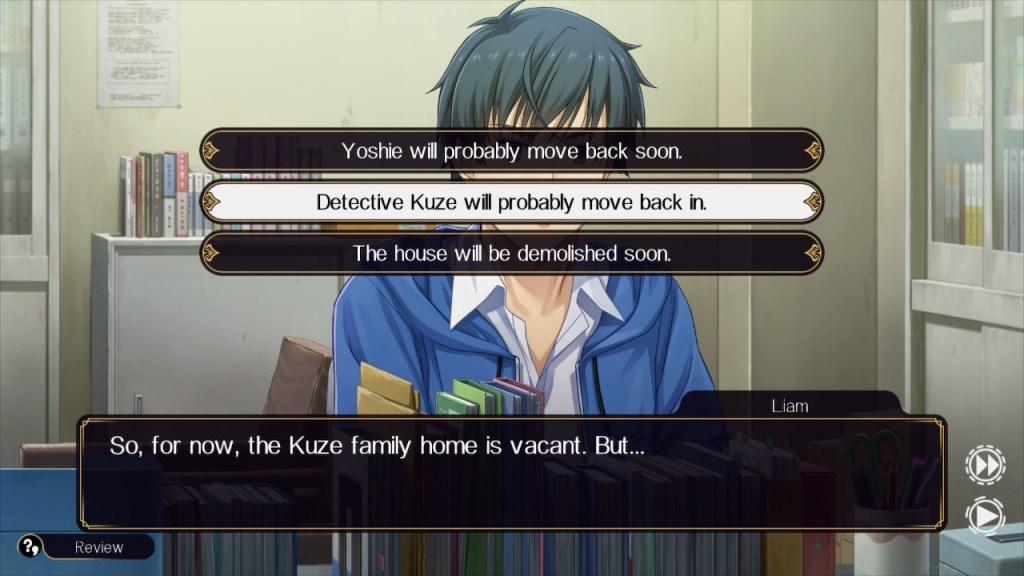
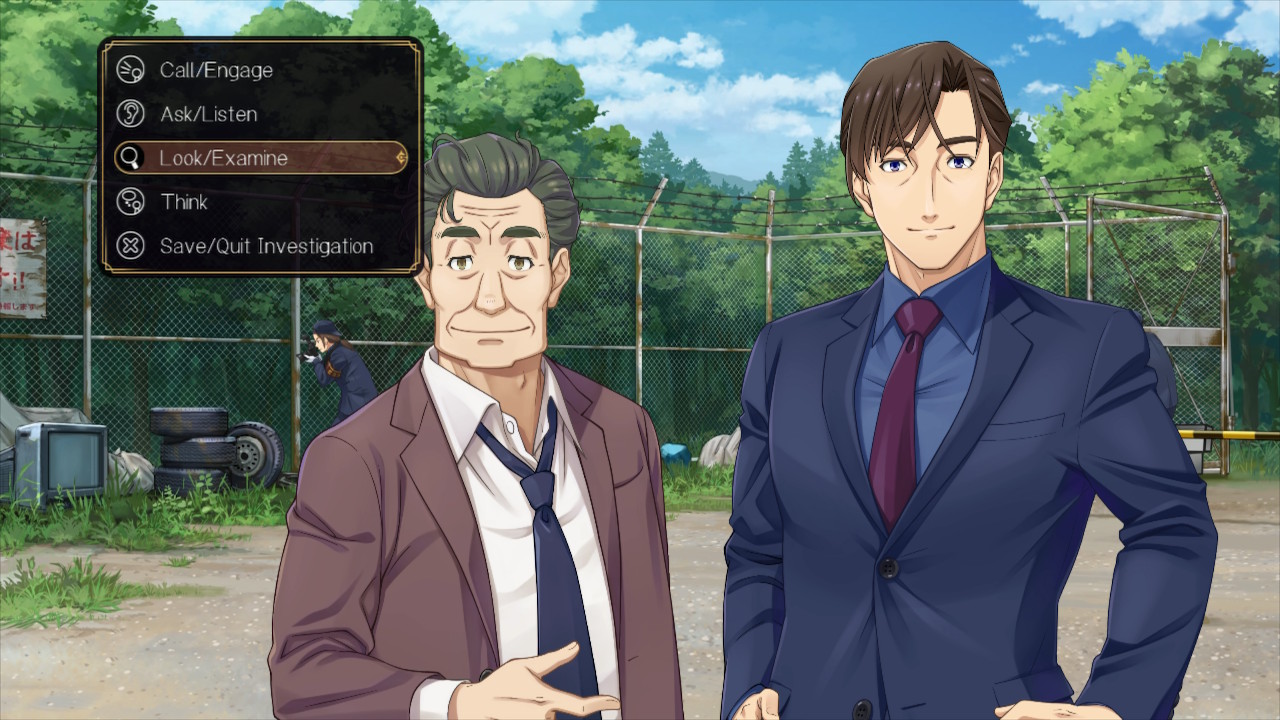
There are many small changes to the way you engage with people this time around, as well, with the characters more frequently hinting at what you ought to be doing to get the conversation moving forward. The “Think” command feels more powerful now, too, with some more explicit suggestions on offer when you feel like you need it (though “Think” can also sometimes be the actual answer to in-game problems, just like real life). Highlighted key words are a big new feature as well, one that I wasn’t so sure of at first, but I was quickly convinced that this was the right call. Previous titles could frequently brutally stonewall you in some sequences, and the addition of a little more guidance to shave off some friction just makes the whole game flow a lot more smoothly. There’s definitely a tangible vibes-based difference when playing them back to back in regards to the presence of highlighted words, but it’s very minor. Given that it’s in service of fixing some of the bigger frustrations with the previous games anyways, I think it’s for the better. For what it’s worth, you can toggle highlighted key words off in the options if you feel like being a purist, but I wouldn’t really recommend it.
My favourite new gameplay addition was definitely the new end of chapter quizzes. Chapters usually follow a day of in-game time, and the characters reconvene at the detective agency every evening. During that process, they share the info they gathered during the day, and the user gets to participate in answering questions in a few different ways (multiple choice, write-in, picking from your master list of facts, and so on). While these feel a little more video game-y than most of the other gameplay, they really do serve as great chapter bookends. As they’re effectively chapter recaps, they serve to reinforce the new facts, simulate teamwork with your partners, and focus you in on what the writer intends to be immediately pressing. It’s a really smart and sharply efficient gameplay addition that I can’t help but applaud.
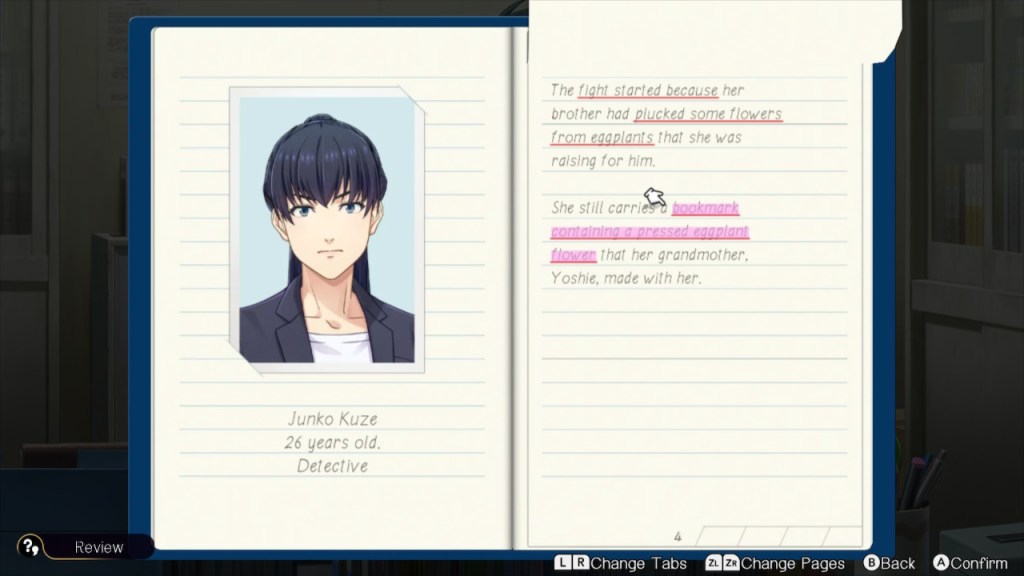
The last gameplay thing I want to celebrate is the addition of some well integrated skip functionality that the previous games were sadly missing. The R button now toggles an auto skip mode on, and by setting it to “Only read text”, it’ll skip only the things you’ve read before. Just like the previous games, you’ll often run into repeated lines as you poke and prod at your target for the next morsel of info, so while this is a very basic VN feature, this is still a great addition. It’s nice that you can have the Y button-based auto play function on at the same time, so you can let the excellent voice acting play out while it also auto skips the stuff you’ve heard before.
On the story side, Emio is simply a big success. The game follows the investigation surrounding a high school boy’s sudden death, where he was found laying dead in the forest with a smiley-faced paper bag over his head. This reignites investigation into an 18 year old string of murders perpetrated by a stranger wearing a trench coat and their own smiley paper bag. The person, nicknamed Emio (which can roughly translate to the titular “smiling man”). Emio’s calling card- the paper bag tucked onto the head of his victims- was powerfully distinctive, and as such there hadn’t been a death linked to Emio in many years. Following the series of girls Emio had killed over a decade prior, his actions grew to become remembered in the form of an urban legend, not unlike figures like Bloody Mary or Hasshakusama. This new death is quickly linked to him, but discrepancies in murder method are identified almost immediately. For starters, the victim was a boy, and the specifics of the tool used in the act are very different from Emio’s past murder method. Is Emio really back at it again? Perhaps a copycat, or just kids getting a little too into the occult? From the start, mysteries abound, and unraveling them can be a joy.


As I’m sure you can tell with the death of a child being the inciting event, Emio is dark right from the get-go. Though the game is full of levity and pleasant conversation, the story never truly relents in its affinity for the morbid. Emio portrays a variety of heavy topics, from the trauma of living in broken households, domestic violence, stalking, the grim realities of what an active serial killer can do, and even suicide. Crucially, the text of the game is never crass or dismissive of these elements, with characters often expressing- and sometimes languishing in- their grief, trauma, and regret. Though it’s not an explicit splatterfest of a game, the story does not remotely coddle the user either when engaging with its themes. If any of that material sounds like it could hit too close to home, do be wary.
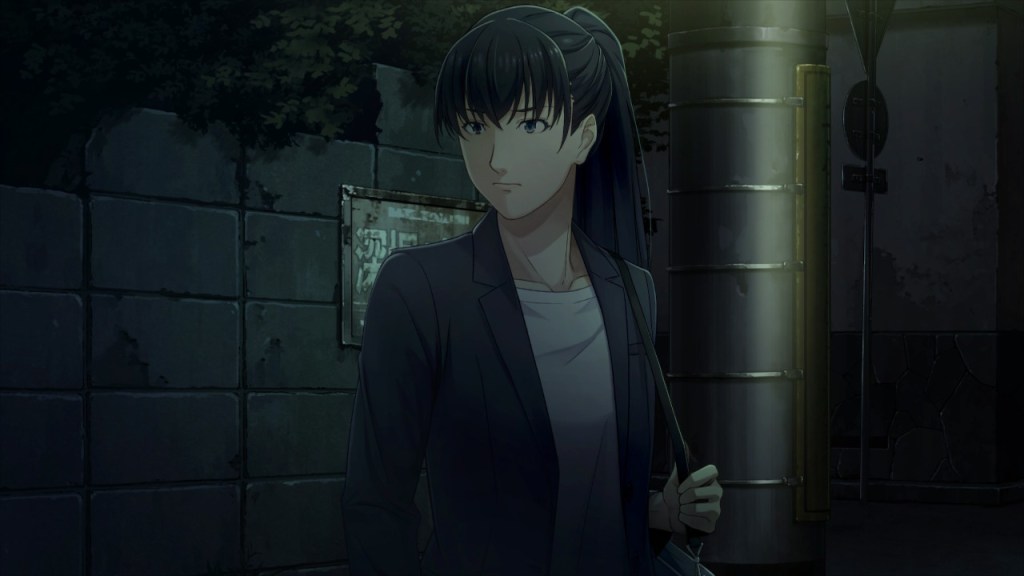
As you work your way through the game, you’ll see that more than either of its Switch predecessors, Emio pays great attention to the scars left behind by these murders and related events. You’ll interview people who have lived with heavy trauma about the events that passed nearly 20 years ago, friends, family, even witnesses to Emio’s existence. All of them are written thoughtfully, portraying characters who have tried their hardest to move on and find peace in the world, but who all exhibit compelling tonal shifts when pressed for details of their past. The latest death has also left fresh scars of its own, with the deceased boy’s classmates, teacher, and family (all of whom you will meet) struggling to cope with the loss in their own ways. Interviewing them regularly takes you on a whirlwind tour of these people’s lives, including moments of real sincerity and love for the people who they’ve lost, portrayed powerfully alongside their incubated trauma.

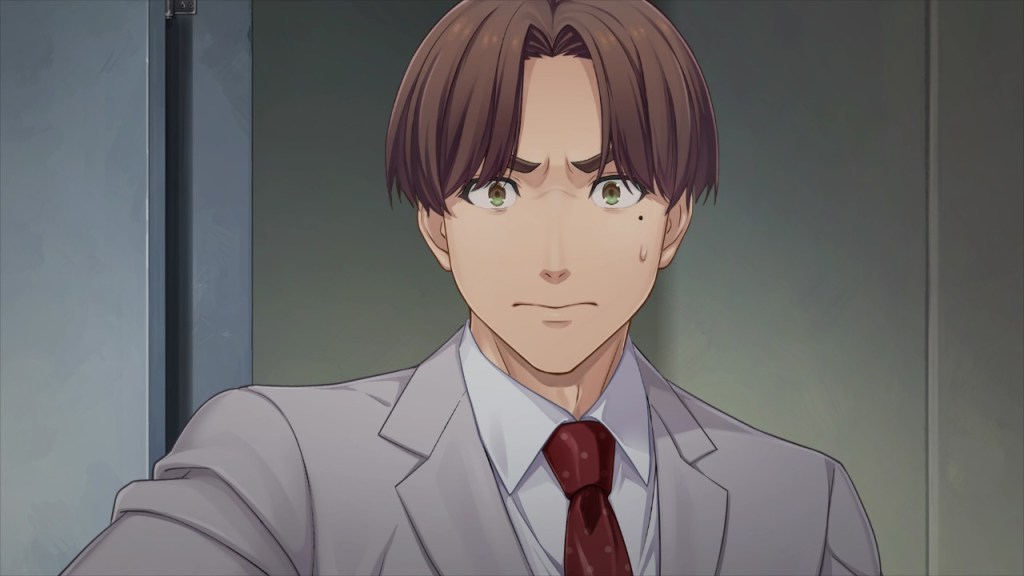
Without getting into spoiler territory, there’s an interview with an elderly character in the third chapter, discussing her grandchildren, and it’s a real doozy. I think it’s the first real moment where the game shows you what it really is, and how much the writers set out to do justice to living with trauma, and it hits. Things only get more powerful and complicated as you get closer to the killings. You’ll find that people who were once affable and friendly can develop an anger with your investigation, and the fact that your conclusions may be challenging to their beliefs. This painful anger is another powerful way Emio authentically deals with trauma, and there are a few conversations in particular that are hard to stomach with how much you may upset your conversation partners. There’s a level of intimacy present in Emio’s grounded scenario and conversations that you rarely find in games like this, and it goes far beyond what the game’s predecessors managed to accomplish.
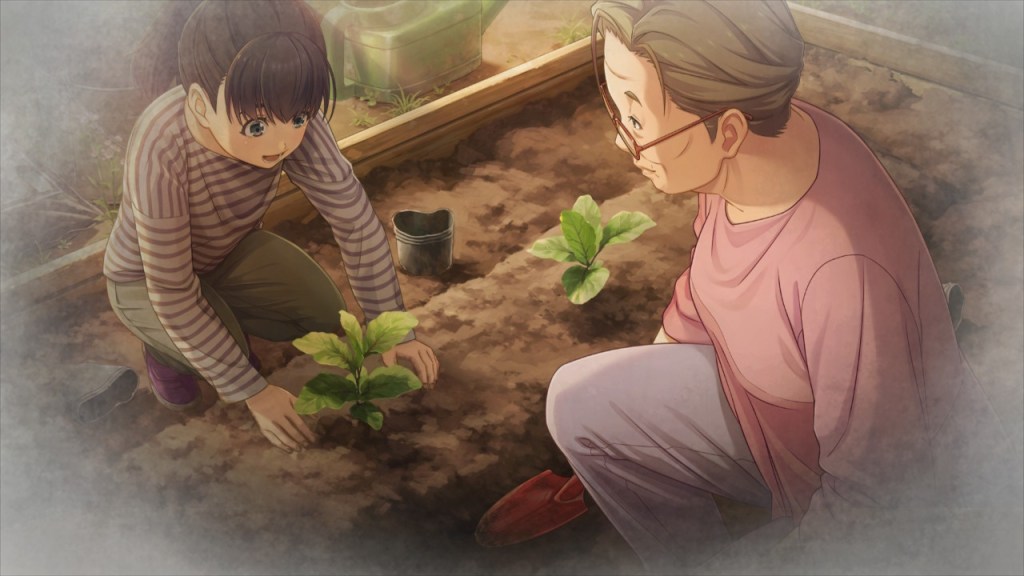
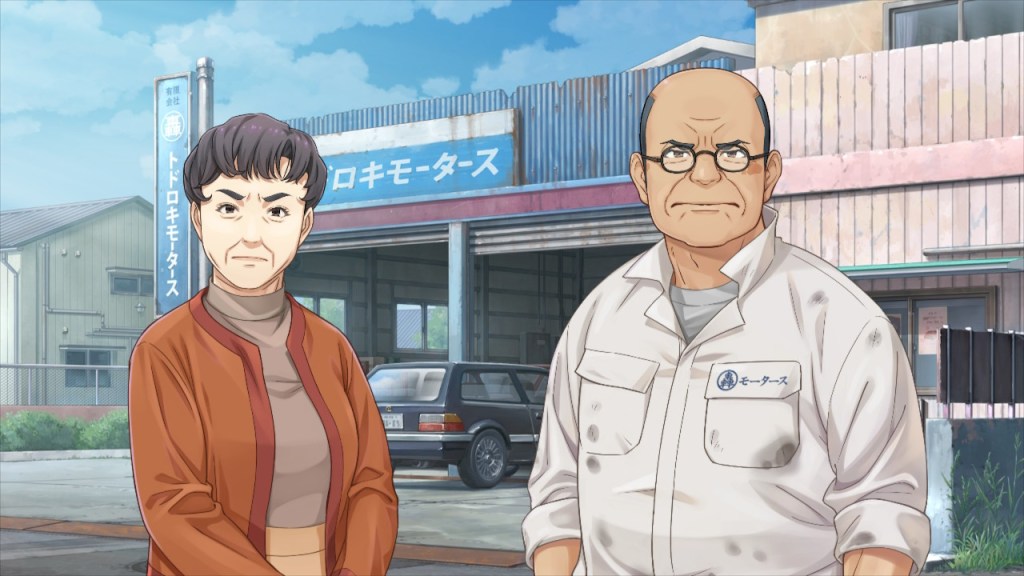
On average, I think the game’s story regularly exceeds the previous two games, and I don’t think it ever drags in the same way some sequences could in the earlier games. The least engaging bits of Emio are probably still the detective work sections where you’re attempting to interview people off the street to find direction. As with the previous two games, there are moments where you just chat people up, and most of them don’t lead you anywhere. A few have good gags, but some of the time you spend doing this can feel like a bit of a waste. On the flip side, if everyone had crucial information, it wouldn’t really feel authentic to how tough this investigation really ought to be. For the most part, I think Emio is okay with this and I’m accepting of it given that it benefits the vibe of the game’s investigation sequences, but it’s worth noting. Thankfully the previous game’s few humorous “wall characters” (characters who arbitrarily got in your way until you worked out how to get past them) have been largely done away with, doing away with an element I found really tedious. In general, actually, cases are just a lot smoother overall. There’s less guesswork, and less that feels completely arbitrary. The game is more forgiving in weaving hints into the dialogue in internal monologues too, which is a big help. You may be inclined to feel this could hurt the game by streamlining things too far, but I strongly think the light handholding remains at a comfortable level throughout.
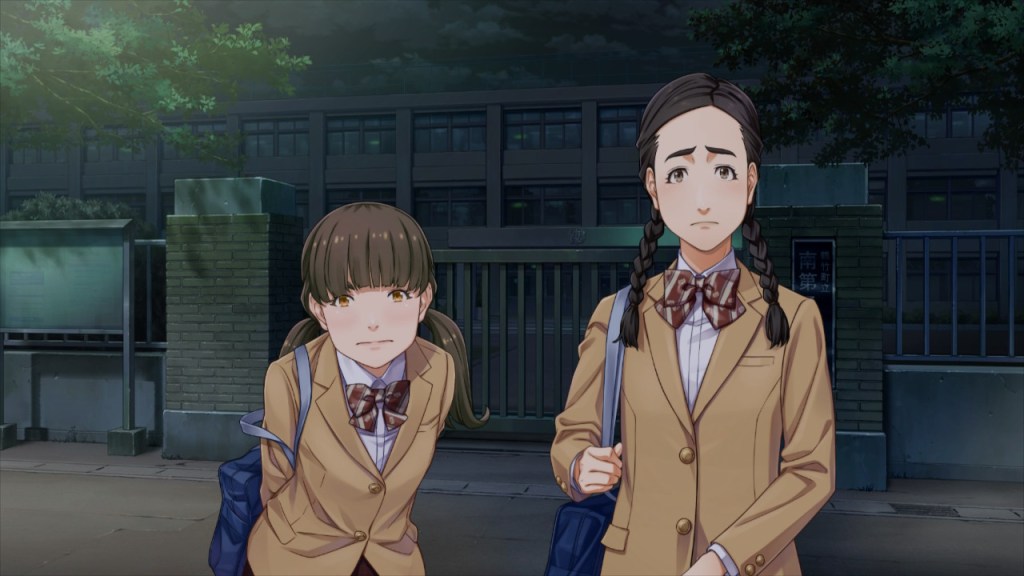
My biggest complaint about the story is one that I’m still grappling with as I write this. Although the game has a lot of new info it divulges in every chapter and goes through a variety of fun scenarios, the game protects all of the most tantalizing answers until the finale. I don’t think this is a bad idea, but you really do spend over ninety percent of the runtime investigating before getting that powerful denouement. Imagine if an Ace Attorney game gave you no big answers until the third case, or if Danganronpa took ten hours to get to the end of the first class trial. Emio, thankfully, is quite sharply written and interesting most of the time, so I think it’s worth persevering, but this unusual pacing may put some people off. Despite enjoying it more than the previous titles, I also took a break from the game for a while around the 70% mark because of this. That said, I’m elated that I came back for the ending.
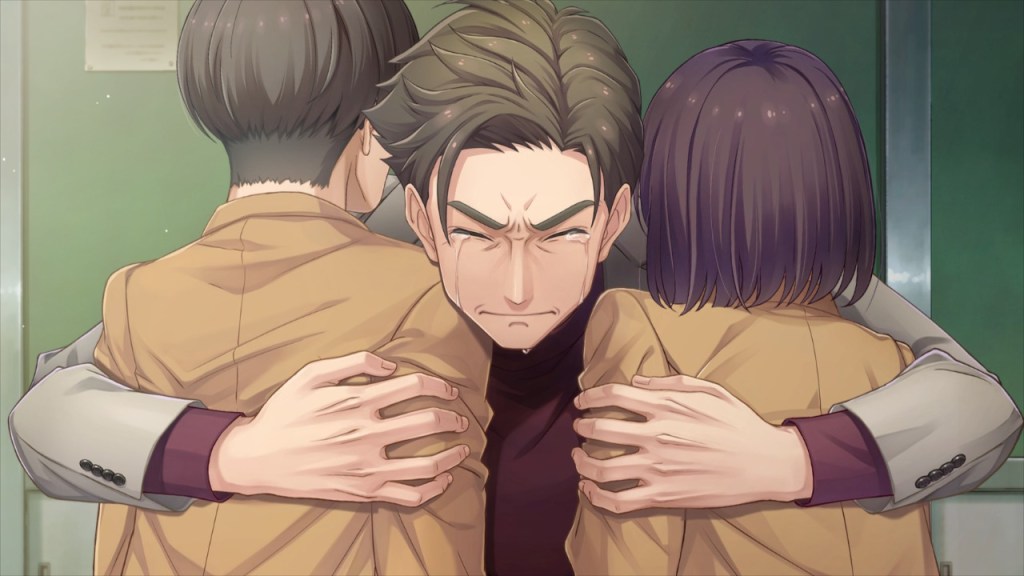
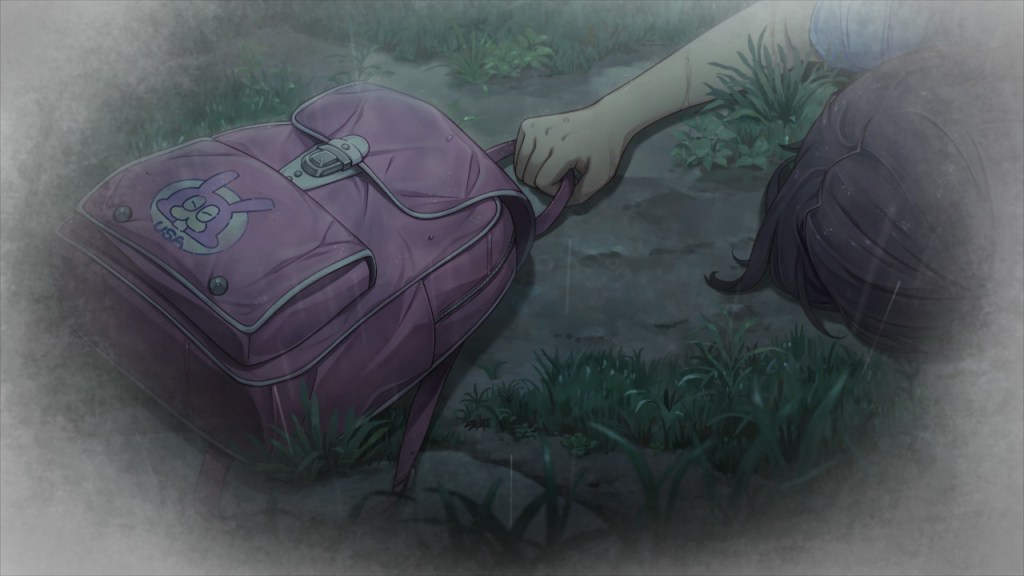
Maybe elated is the wrong word, though. Emio’s finale is genuinely emotionally trying on a level I have rarely experienced in a game. The game’s commitment to the scars of trauma continue through to the end, and it finishes brilliantly at the absolute emotional apex of its story. If Emio hadn’t landed the ending with such powerful intent and style, I’d be inclined to say that it was a bit better than the first two and call it a day, but the finale is really something else. I really want to just tell you all about it and geek out over the way it delivers, but to show even a single card from Emio’s killer hand would be a shame considering how much effort the writers went to to nail you with it at the end. All I will say is that it will land. If you’re a human with the reading comprehension to get through this blog post, Emio will definitely land. Hard. It’s the type of game you just need to sit and think about after. Emotionally decompression is necessary, and maybe a bit of post-hoc crying as well, if you haven’t already spent all your tears on the finale.
All said, where are we at on Famicom Detective Club as a series? Honestly- and I feel a little bad saying this- I’m inclined to just recommend Emio on its own to most people. For real, just skip the first two games. If you’re an adventure game diehard, or the type of person who really feels the need to see a whole series though, I don’t think you’ll have a bad time with the first two games, but they’re often unremarkable outside of the high quality presentation of the remakes. For games that are now over thirty years removed from their original tellings, that’s still not bad, but I just can’t wholeheartedly recommend them. Emio, though, that’s a game I can easily recommend to anyone who likes a good (albeit very dark) story. It’s a brilliant game with some light pacing issues, but ultimately feels like a perfect crystallization of what the Famicom Detective Club was always meant to be.


I applaud Nintendo leadership for taking a chance on making a game like this in this day and age. I applaud them for trusting one of their oldest creatives at the company in spearheading a project with frankly quite limited appeal compared to their average release. More than anything, though, I applaud them for allowing the game to go so hard with its subject matter when they could have easily dulled the edges and still made something better than the previous Switch Famicom Detective Club titles.
tl;dr: Emio’s M-rating is no joke, but if you feel like you can handle some extremely dark subject matter, you’ll be in for a very, very bad time in the very, very best way.
This article is the third of a three-part series on the Nintendo Switch Famicom Detective Club titles.
Click here to jump to Part I – Famicom Detective Club: The Missing Heir.
Click here to jump to Part II – Famicom Detective Club: The Girl Who Stands Behind.


 「RISINGSUPERBLOG」
Leave a comment