Publisher: XSEED Games
Developer: Too Kyo Games, Media.Vision
Release Date: April 24th, 2025
Version Played: Nintendo Switch
Review key provided by XSEED Games at request. Some text has been repurposed from my earlier preview article.
About two weeks ago, I came away from The Hundred Line’s jam packed demo ranting and raving about how you simply can’t let this game pass you by. Despite having paid for an English copy to ship to Japan (which can take weeks to arrive), I decided I ought to also apply for a review key to see if I could play it in reasonable time. I’ve never written an article that I’d really call a review, but surely I can manage that, right?
To my great surprise, and even greater pleasure, I was able to get my grubby-yet-apparently-qualified mitts on a review key. After having now played over 30 hours of The Hundred Line in the past two weeks, I have good news and bad news. Bad news first; I haven’t managed to come anywhere near finishing the entirety of the game. The good news is that it’s not for a lack of wanting. The Hundred Line is an incredibly good game, filled to bursting with content and loaded with narrative turns that I’m still regularly running into. I played more of it this morning, I will play more of it this evening, and I’m happily envisioning it being a part of my life for the next month or so at this rate.
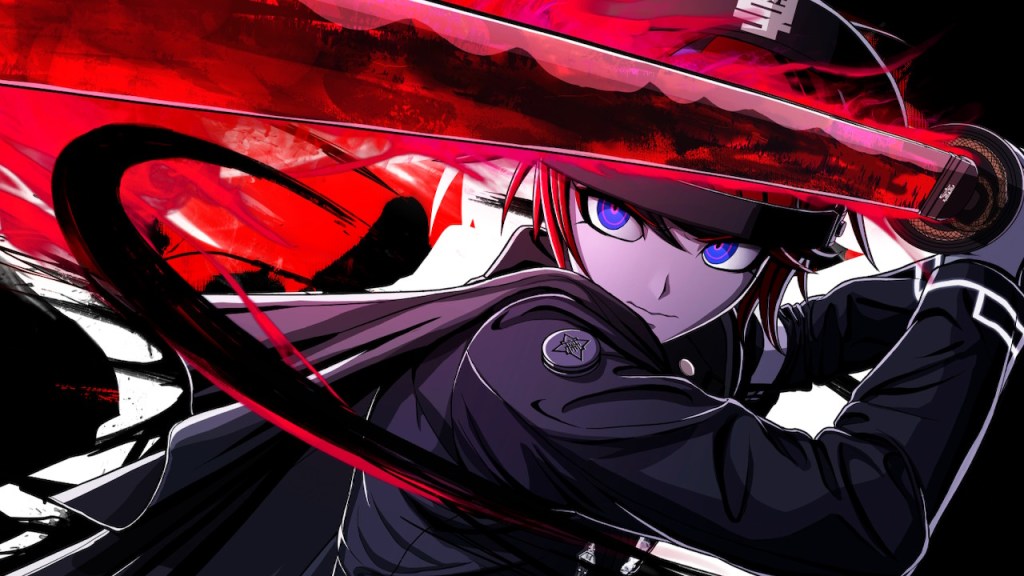
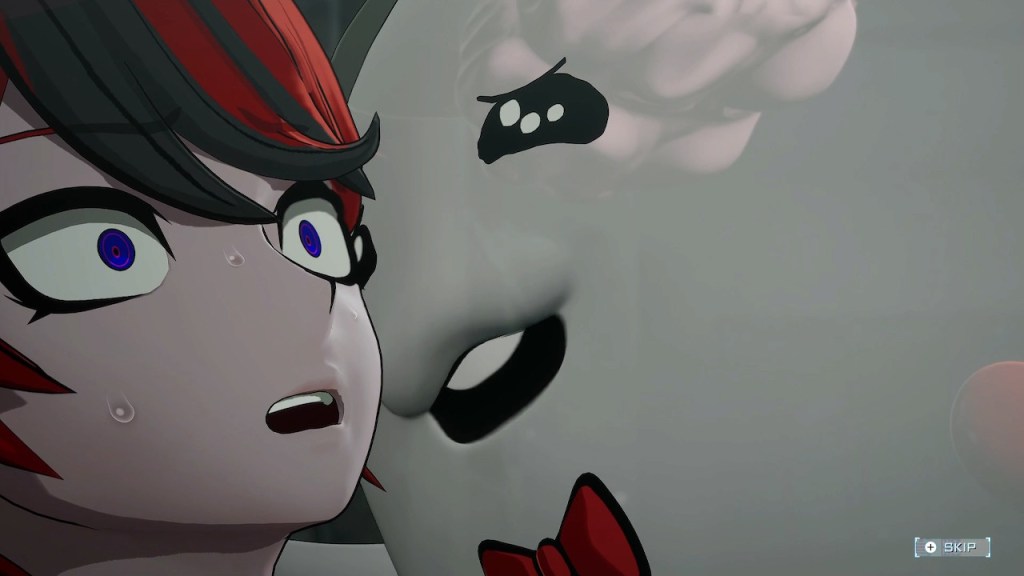
The Hundred Line -Last Defense Academy- is at its core a nonlinear narrative adventure game and a tactical RPG. I’d like to tackle the story first, so let’s get some info on the table. The Hundred Line’s narrative was directed collaboratively by Kazutaka Kodaka and Kotaro Uchikoshi, with Kodaka seemingly taking the lead on main setting, scenario, and characters. For the unfamiliar, Kodaka was the dude in charge of Danganronpa, and Uchikoshi was the fella who did Zero Escape, both under Spike Chunsoft. Since then, they left Spike Chunsoft to form their own company, and they’ve been pumping out cool adventure games ever since. I’ve read a lot of commentary online about how their newer titles have struggled to reach the peaks of their former work. Gems like Danganronpa V3 and 999: Nine Hours, Nine Persons, Nine Doors feature such staggering highs that it’s hard to reasonably expect anyone to ever manage to reach them again. Personally, I haven’t felt that they’d managed to reach those heights in recent titles like Master Detective Archives: Rain Code, or AI: The Somnium File, but for the first time, I feel like The Hundred Line sits comfortably with the greats. Another awesome game for freaks, by freaks.

The Hundred Line’s narrative follows a scenario in which protagonist Takumi Sumino and a class of misfit strangers have to defend the titular Last Defense Academy for 100 days. Strange monsters introduced to you as “school invaders” had invaded your peaceful hometown- the Tokyo Residential Complex- and you’ve awoken in the seat of a highschool desk, deeply unclear about what’s going on. As your classmates begin to wake up around you and a group panic fills the room, you may start thinking “oh, this is kind of like Danganronpa”.

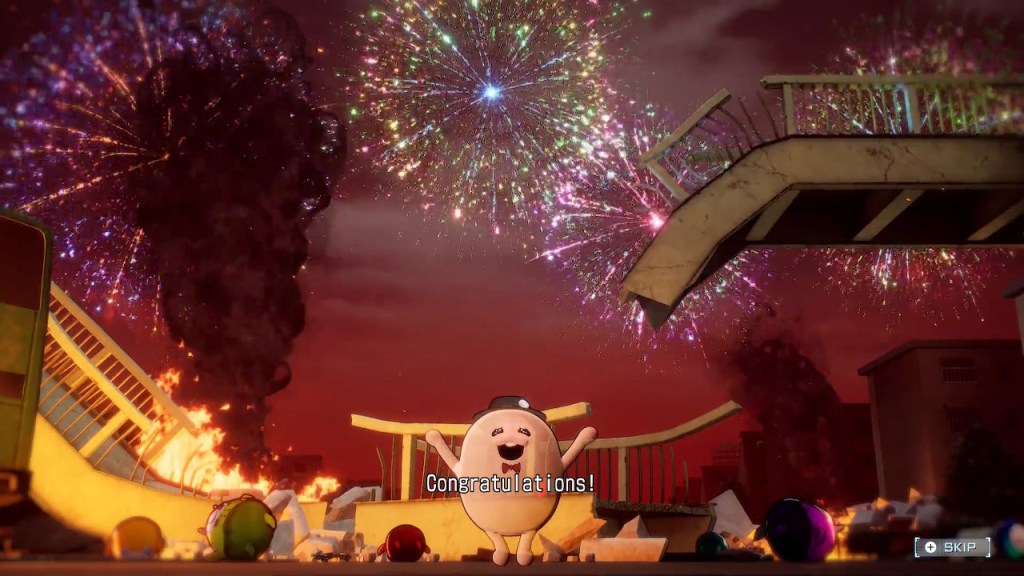
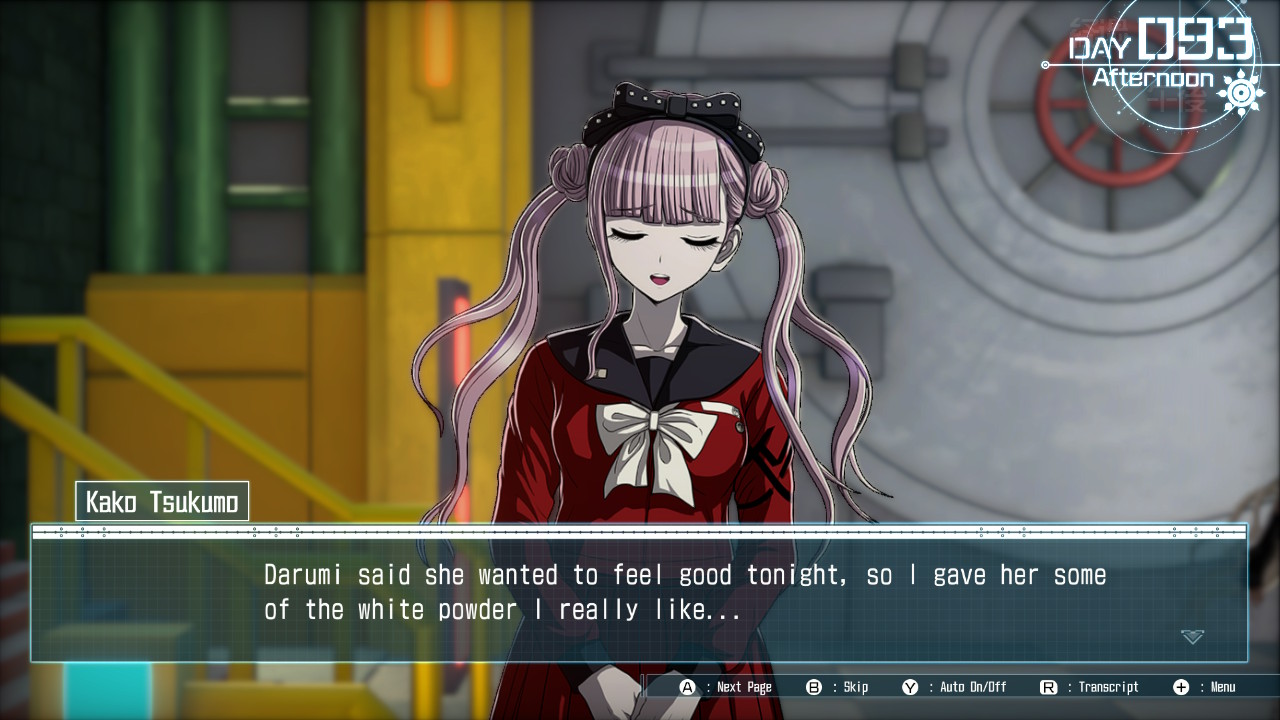
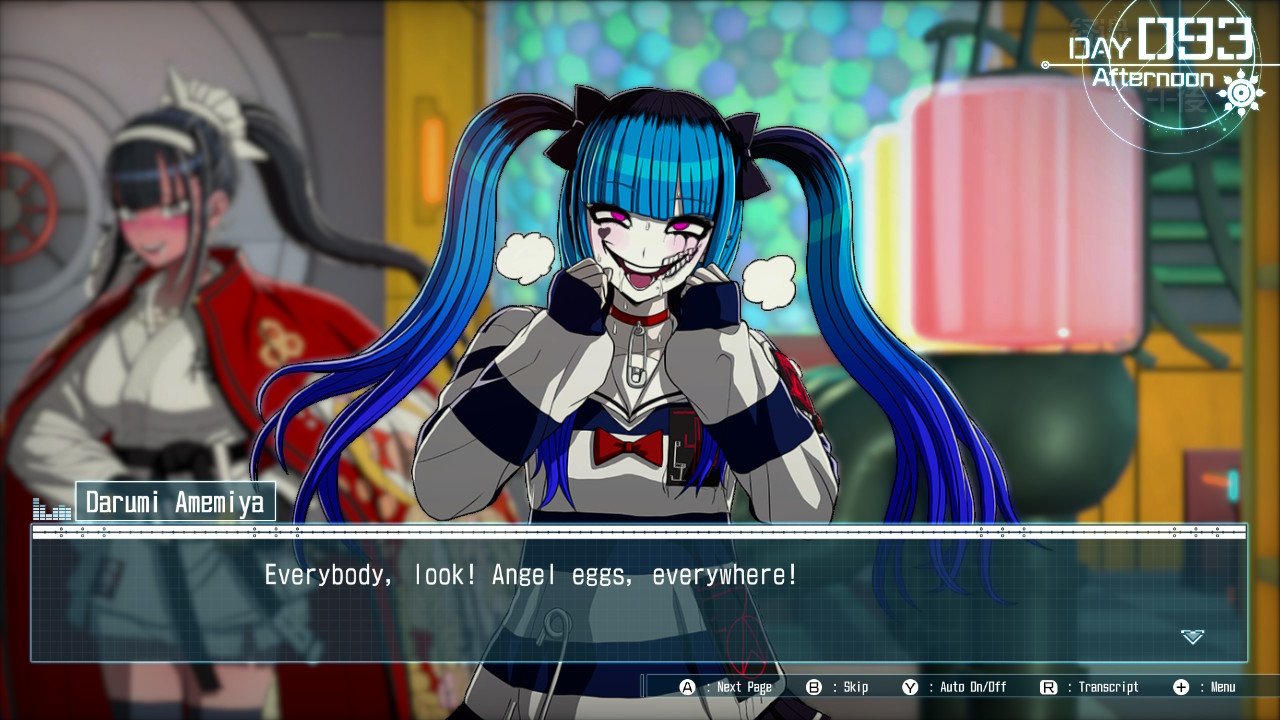
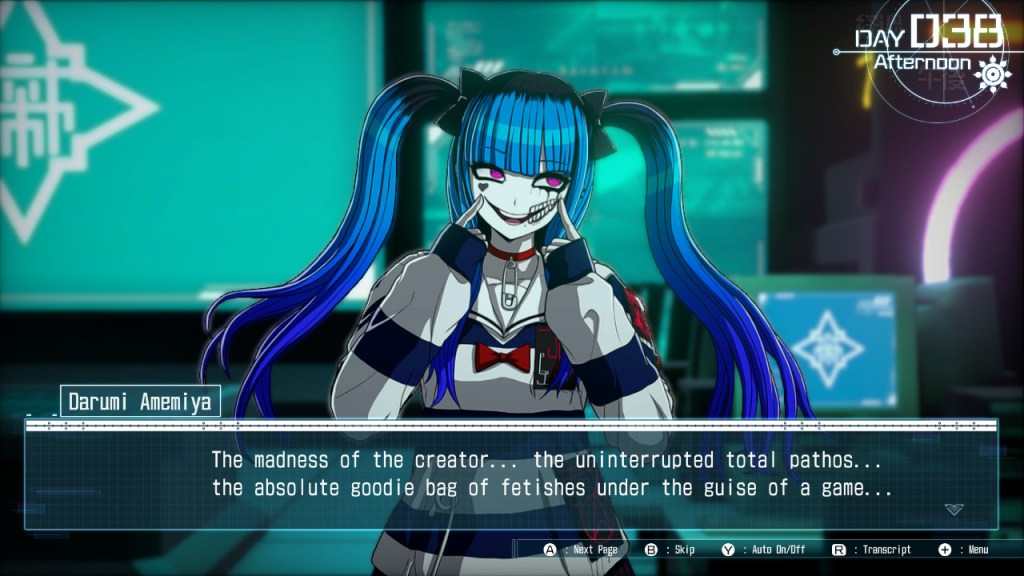
The Danganronpa parallel is no mistake- The Hundred Line’s intro practically begs for the user to come into the game thinking like that. The game teases your killing-game-addicted brain cells into making assumptions, before introducing a character, Darumi, who is just obsessed with the idea that this is clearly a killing game setup, and oh how wonderful her life would be if she finally were able to partake in one of those. She’s a great little reality check in a scenario that’s still set to go absolutely crazy in its own way. A mysterious mascot character hops up on the teacher’s desk, cracks open the room’s windows (a stark contrast from Danganronpa’s immovable metal shutters) and clearly explains the situation. He’s actually on your side, to boot! The situation is unquestionably dire, but your new leader and a classroom of allies are meant to work together to defend the school building, as opposed to working on absurd ways to kill each other.

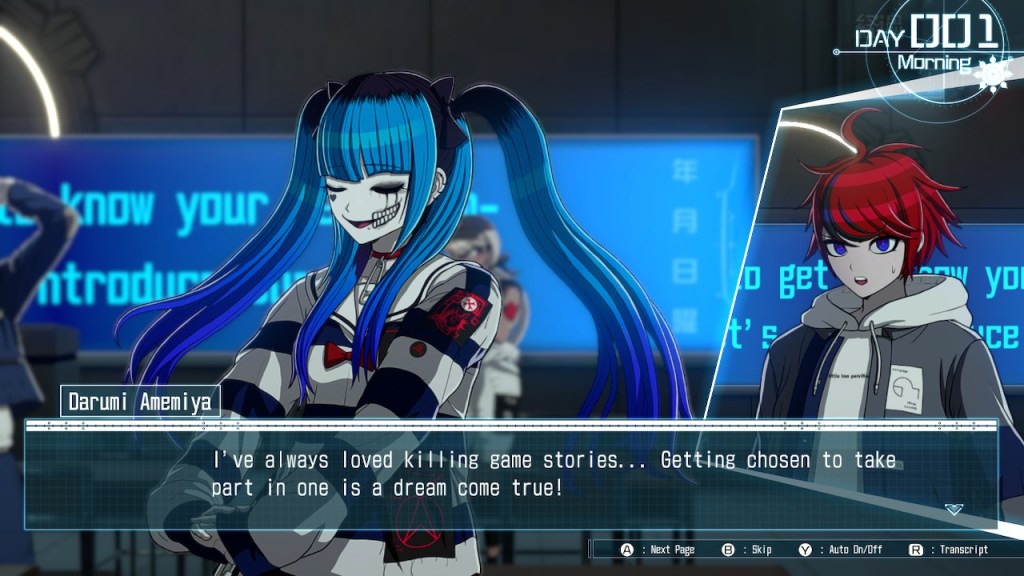
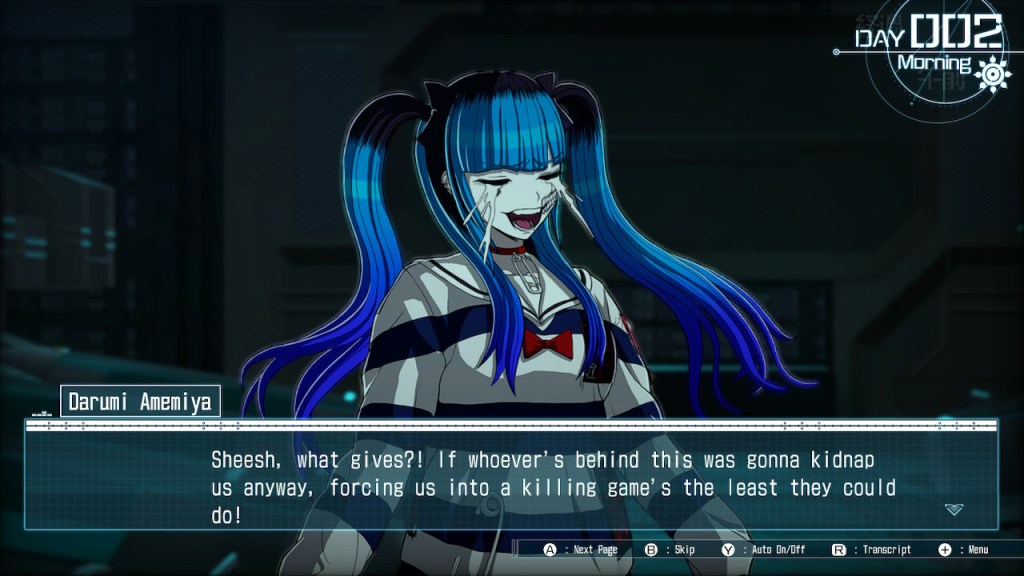
It becomes very clear, very quickly, that Darumi is firmly the weirdo of the class, and maybe you’re the weirdo as well for assuming that this had to be a death game. For what it’s worth (as with any cast written by Kodaka) everyone ends up being a total weirdo, so don’t feel too bummed about being one too. Where the Danganronpa series routinely referred to a mysterious “biggest, most awful, most tragic event” having already happened sometime, someplace offscreen, it feels like The Hundred Line has already let you have a real peek at its equivalent during the opening. Though the full scope of it is very much obscured, the rules and the world feels more clear than in the staff’s earlier works, and Danganronpa’s somewhat disappointing mystery of “just what the hell happened out there?” already feels quaint with The Hundred Line ready and willing to put down names and facts from the start.
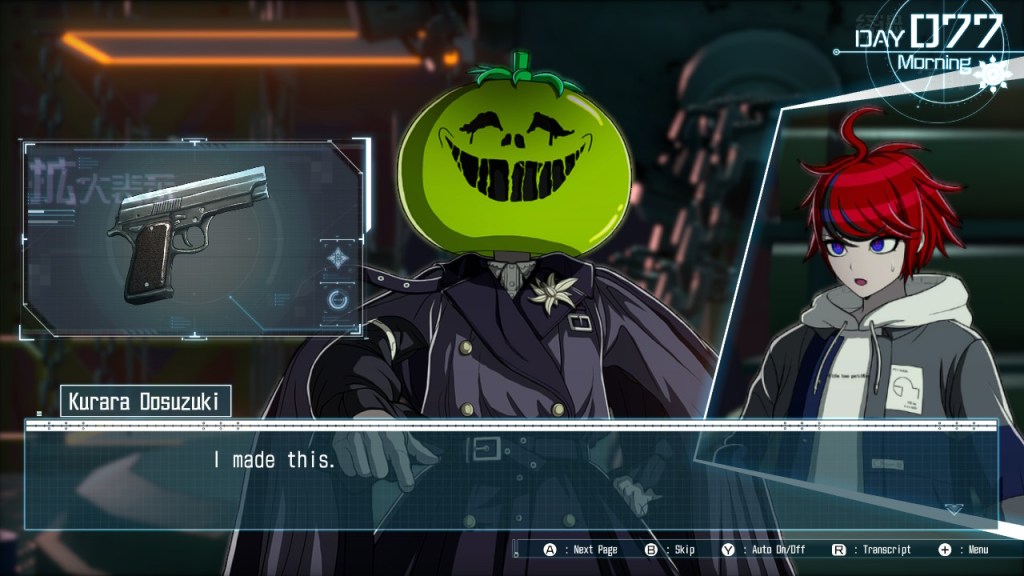
I don’t want to get into anything even remotely spoilery, but just know that as you’d expect, things go sideways very fast. The best laid plans don’t work out, your allies are mostly reluctant to even join the fight at all, and the enemies are constantly showing up with new tools in tow. In my playtime, I’ve very much enjoyed the story. I’ve gasped, I’ve cried (a little), and I’ve gotten very much invested in this group of kids. Unfortunately, the most I can really say at this point is simply “I feel like it sits with the greats” because the volume of story on tap is truly unreal and despite playing for over 30 hours, I feel like I’ve still only gone just past the game’s surface. Don’t believe me? Listen to this.
The game’s Event Gallery, which houses a collection of all the CG story images you’ve seen has a staggering 580 entries (with most variant entries stacking on themselves and not taking additional spots). After my first time seeing the credits, I only had 92 of these 580 unlocked (many of which are front loaded near the beginning of the game and during key character introductions). The shock I felt upon realising this was akin to pouring sugar into my coffee, only for the lid to come right off. But like, in a good way. I like lots of sugar in my coffee. I’ve continued to play the game at a good pace (again, beyond 30 hours of gameplay at this point), and I’m still only around the 20% point. These figures also don’t count the Video Gallery, which separately counts the list of over 100 pre-rendered cutscenes. There’s just a massive volume of the stuff.
The game flow progresses very similarly to Danganronpa, though I don’t think that’s a bad thing. Wake up in the morning, see what’s going on, follow the story, then sleep. A handful of days are skipped for narrative reasons, but you’ll largely be in some form of control for most of the whole hundred. Day lengths are really uneven in a way that keeps you on your toes, smaller narrative arcs usually last around five to ten days, and attacks on the school can truly happen at any time, so the pace stays quite lively. As with Danganronpa before it, many days have Free Time periods which allow the user to spend time with classmates.

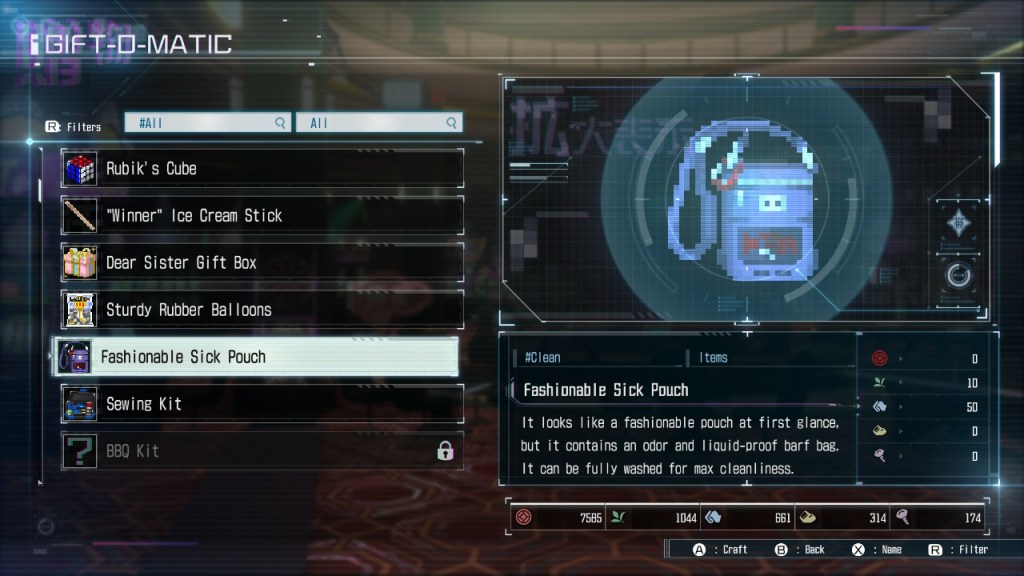
Unlike Danganronpa, The Hundred Line’s Free Time also allows you to work on your combat parameters or explore the area surrounding the school to rustle up resources. Character attacks and abilities can be unlocked and upgraded, though their upgrade paths are somewhat homogenized across characters. Combat items known as Strategic Materials can be purchased to grant permanent access to various buff items and battlefield traps, such as barriers, which help push enemy swarms in the direction you’d like. These items are all refilled for free between battles, and don’t use up a character’s turn, so they’re extremely valuable assets to work towards unlocking. Danganronpa’s MonoMono Machine returns as the improved Gift-O-Matic, allowing you to craft gift items with for your classmates as well. All of these systems require materials collected from combat and exploring the wastelands outside of the school, plus school grades that you’ll improve as you hang out with friends.
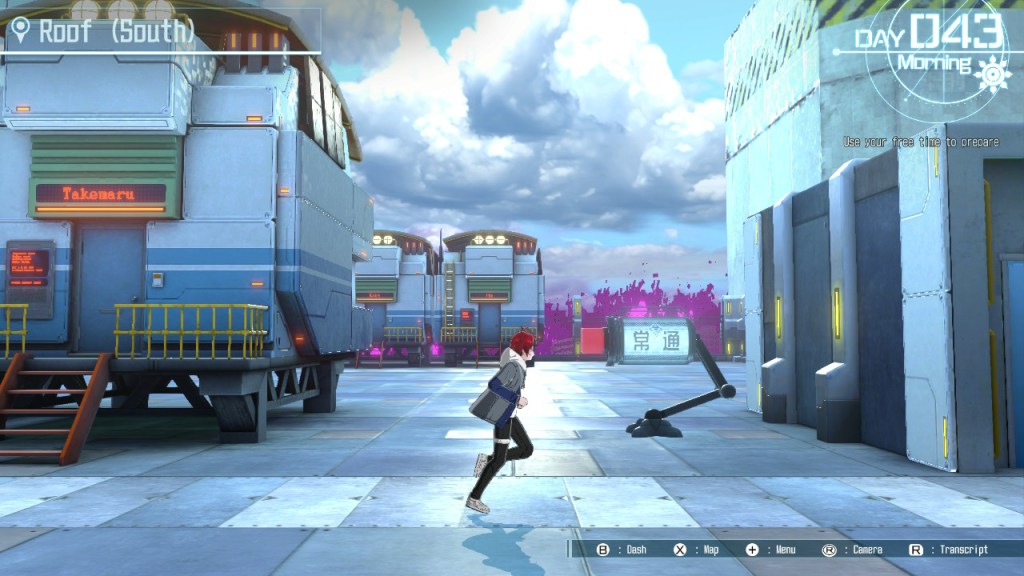
I have a few minor quibbles about the process of moving around the school, though it’s nothing any Danganronpa fan doesn’t already have intimate experience with from those games. For the most part, navigation around the school is handled exactly as it was in the Danganronpa games; side scrolling hallways connect rooms where you can use a cursor in first person to interact with various elements. Although Hundred Line’s school layout is easier to navigate with looping hallways on the main three floors, it can be difficult to know which side of the hallway you’re on at times, and I think it kind of lacks the artistic oomph of V3’s amazing school, and even Danganronpa 2’s tropical island to an extent. As with those games, fast travel is unquestionably the best way to get around, so you’ll end up relying on that a lot in a way that kind of makes you feel like walking around yourself is a bit mechanically redundant at times. Also, sometimes you’ll notice a character in larger areas like the roof, or the school’s hallways, but the map icons showing you that a character is in the room are not placed with the granularity needed to understand exactly where they’re standing in these larger spaces. If you intend to talk to everyone as often as you can, you will invariably end up running in random directions until you find the person in question, though they’re often along the way if you actually choose to walk from your bedroom.

I would really like if they could improve the flow slightly in a few ways. Having to visit specific rooms to use various upgrade stations or craft gifts for friends makes sense and lends utility to the individual spaces, but it can be a bit tedious to warp around the school repeatedly. It would have been nice if some of these features could have become accessible from Takumi’s room during free time to reduce jumps around the school. I acknowledge that doing that would reduce some rooms down to their aesthetic since their mechanical use would become redundant, but the current gameplay experience is not ideal. Free Time events act just as they did in Danganronpa as well (as far as I recall) by punting you back to your room when they conclude, even if the next time slot in the game is another Free Time period. These are all minor quibbles, but I do hope the next time they make one of these Danganronpa-likes they can do more to address what are at this point longstanding mechanical issues.
There are two narrative elements I feel I must mention, because you may have to chew on them a bit and grapple with how you feel about them. The first is a simple warning/bit of applause in its boldness; the game is fully linear until you hit the credits for the first time, with no real decisions to be made along the way. This first “ending” doesn’t even count as one of the 100 endings promised in the game, by the way. More on that in the next paragraph. As there’s no in-game playtime counter (I’ve used the Switch OS one), I’m not 100% sure, but I think it’s a solid fifteen plus hours of the game until you get to make a real choice. There were a few moments where I even thought to myself “oh wait, I’d rather do that other thing”, but for the first run through, you’re at the mercy of the writers. In that way, the game demands a little bit of trust from the user, since it takes a long time to even let you make your first real narrative decision, but I promise you, when you get to it, that first decision is an absolute doozy. As with the Zero Escape series, there is a narrative wrapper that goes along with your ability to carry knowledge across playthroughs, and the game steadily builds up to it over the course of your first playthrough. If you chose to trust the process, I don’t think you’ll feel let down. Shit’s good.
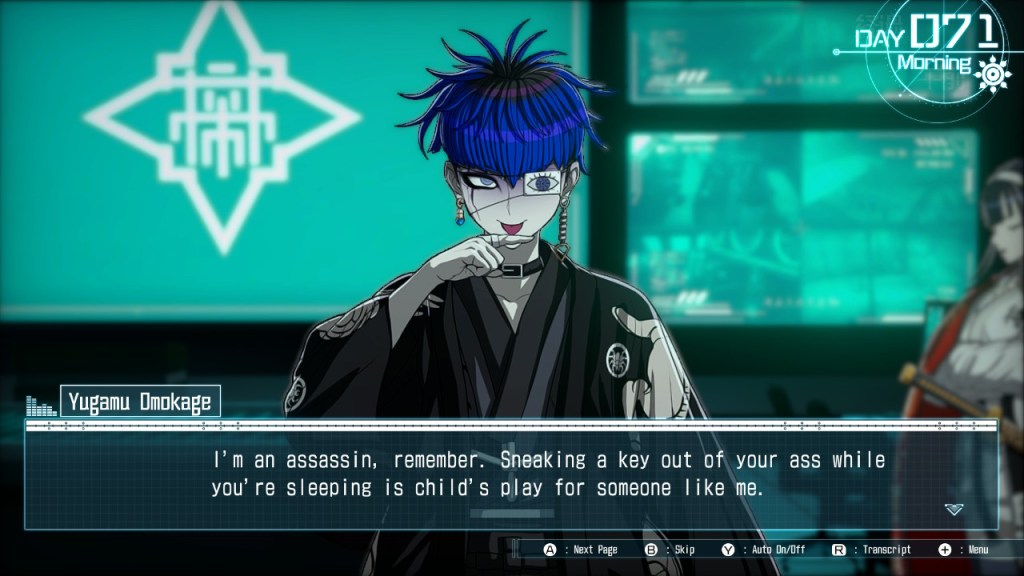
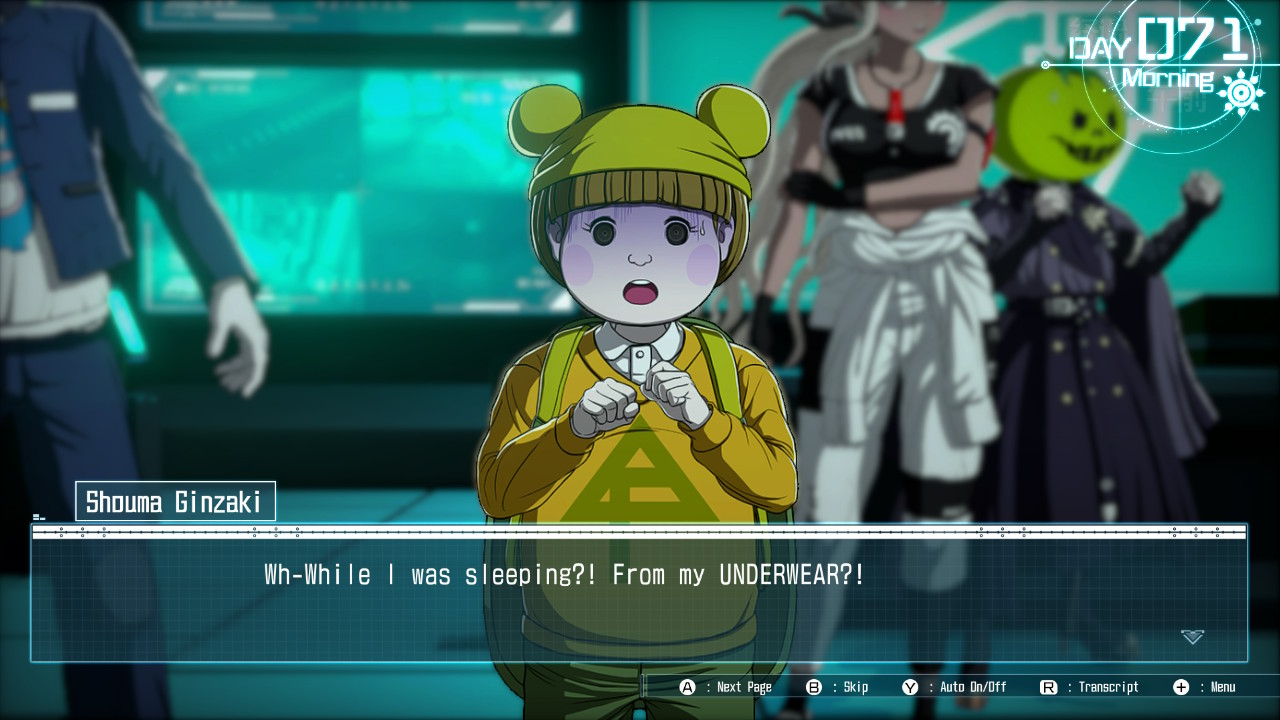
The second narrative element I can’t not talk about is the much-discussed 100 endings this game has. If you’ve followed the game’s development, you’ve surely heard about this element, as the writers have publicly discussed it as a goal for quite some time. The idea was that The Hundred Line should have 100 unique endings, and not just feature a bunch of quick Bad End-style “you did something wrong” conclusions (you can read more about it here, though you’ll have to translate it for yourself). Even yesterday, the day before the review embargo hits, they’re still claiming there are 100 fully unique endings (see the very beginning of this video posted to Twitter). I need to talk about this claim a bit. Skip down past the next image to the combat section if you don’t want to hear some light content structural spoilers.
To be blunt, it’s not accurate, but my knowledge is DEEPLY limited. I’ve fully played through one particularly weird (I mean this in a good way) route of the game, and finished exactly six endings all along this one route. In my opinion, all but the final “proper” conclusion to the route were Bad End style endings, where you get a short bit of dialogue and the game ends quite abruptly (within a minute of play), as you have made the wrong choice. Additionally, though most of these endings had different aesthetic presentations or unique CG scenes, some of them shared each other’s appearances while also presenting virtually identical narrative, with no meaningfully different new information.
I don’t consider myself a sensationalistic person, so I would never be the guy to run out yelling something like “100 ENDINGS IS A LIE”. It’s just not my style. However, it’s also clear that there are frankly not 100 unique endings with unique and valuable meaning. I truly hate to bear this news, because that premise really excited me, and I felt disappointed to realize it wasn’t the case even as the developers still talk about it publicly right up to release.
Now, being as rational and fair as I can be- the route that I chose to lock into was a downright funky one where a specific narrative is at play with obviously similar bad outcomes as I make poor choices. The conclusions I got made sense even if they didn’t vary in substance, so I don’t feel the content itself to be an issue. What I can at very least say confidently is that there are A LOT of routes with truly different scenarios in play. If every route even has two or three different feeling endings on top of bad endings sprinkled in, you’re still coming in with FAR more real endings than most narrative games out there. It’s very possible I got super unlucky, and got one fraught with Bad Ends, but whatever the truth is, that’s the experience I had. I’m inclined to believe there are more Bad Ends throughout the game’s many narrative routes, based purely on gut feeling. Not knowing the contents of the other routes limits me in trying to make a real estimate, so I won’t bother. I wish I could bring more complete info to the table, but I just can’t- I’d need a whole lot more time.
While this is a very real complaint about the game, and a slightly frustrating one given how they’ve repeatedly spoken about 100 truly unique endings with no Bad Ends, I want to emphasize that the game is still great, and though I’m a bit sad to learn the reality of it, I’m still very much enjoying the game. If you’re thinking that this element is the thing that makes you want to skip the game entirely, I’d like to double down on assuring you that you’d still be missing out on a truly excellent time.
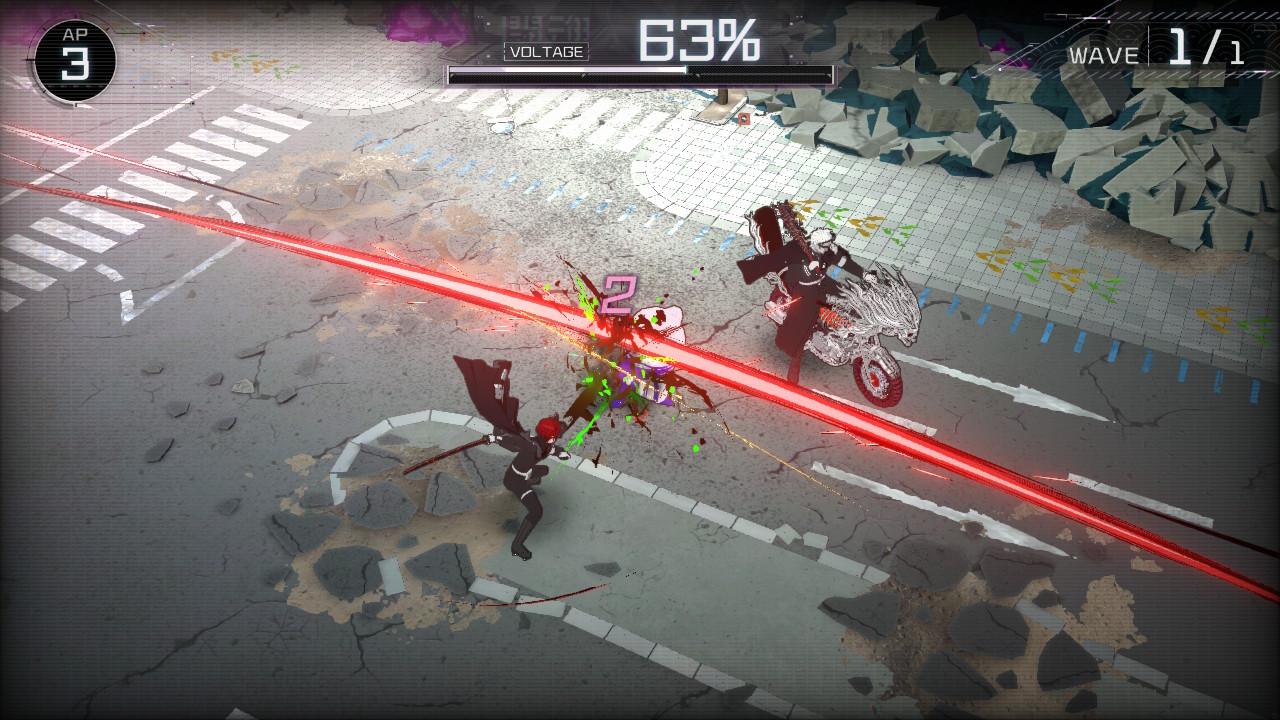
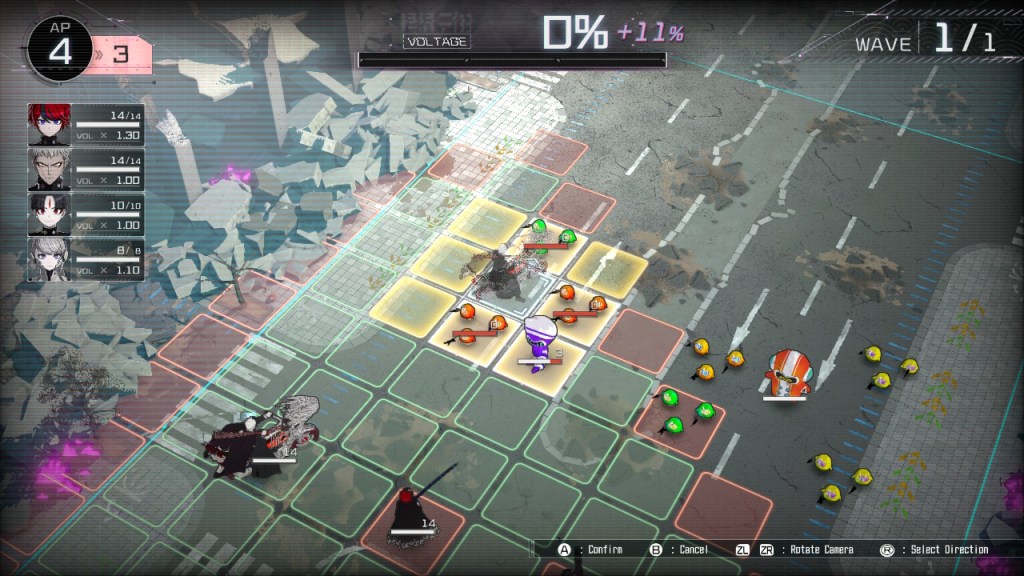
Okay, narrative talk over! The other major chunk of the game is the combat, where you command your group of students across a variety of combat scenarios. The combat presents as a pretty traditional grid-based tactical RPG, but with defense of the school building being your usual primary goal. During your turn, you can spend AP to perform a move and action with one character. As long as you have AP, you can keep moving characters, and leftover AP carries into the next turn. If you so choose, you can take more than one turn with a character by spending more AP, though they’ll be fatigued and have their movement heavily reduced on subsequent actions. Enemies swarm in as large, dense groups of weaklings, with stronger enemies peppered in to keep you on your toes. The stronger enemies also offer an extra point of AP when you defeat them, so you can extend your turns quite dramatically if you focus your characters on the bigger guys and opt to deal with the chaff later. It’s no exaggeration to say that you’ll frequently be facing twenty to thirty or more enemies on maps that are frankly rather small for the genre, so it’s all very claustrophobic and stressful in a good way. Once conditions have been met, subsequent waves of enemies will usually arrive, and the battle continues.
It’s pretty standard stuff so far, but the details really elevate the combat sequences. First and foremost, the pacing is oh-so breezy. Characters move and act quickly, but not in that “Fire Emblem combat animation feels a little less cool at fast game speeds” kind of way. They were built for this speed, and the lack of transitions to combat scenes helps the pace immensely. Additionally, instead of picking “move” and then a subsequent command (like in Fire Emblem or equivalent), you just pick the attack. From there you move your cursor over the valid spaces to choose a spot to move to, and the game will attempt to automatically figure out which direction you intend to perform your attack in. This works surprisingly well, and when it doesn’t guess quite right, you’ll find that the right stick is mapped to manually adjusting your character’s direction. Even when it doesn’t guess right and you have to manually correct, it’s still quicker than the traditional TRPG turn flow. I think this little rethink of traditional action selection flow is some really sharp design, and it’s these little elements that really elevate what they’ve got going on.
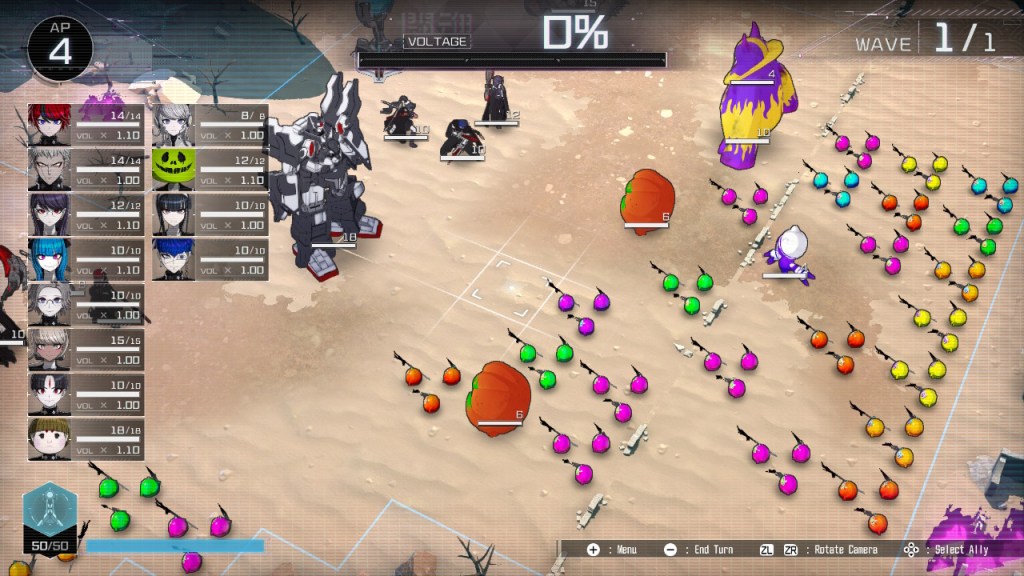
Enemy turns operate excellently as well, with all enemies moving simultaneously before swiftly performing their attacks in turn. Even with huge mobs of enemies, the game overwhelmingly succeeds at keeping enemy turns trimmed down to a fraction of the length of player turns, so you’ll always feel very engaged with the combat. Your foes often cover large chunks of the map with their group sizes, and the game relishes in offering a variety of uniquely shaped AoE attacks to the user (some characters have regular attacks that hit up to six or seven tiles at no cost). Very few attacks target a single tile, so when you’re not going hard on a boss or tougher enemy, you’ll most often be considering how best to place your attacks’ huge splash zones to maximize enemy casualties. The most common enemy has only a single hit point and minimal offensive capabilities, but they create a very convincing swarm as they block your movement options, restrict access to the bigger enemies you may be trying to get at, and they will quickly slip through your defenses if you let up even a little. You’ll often be able to wipe out three or more of them per strategically placed swipe. This feels really satisfying, and it makes you constantly feel like you can get overwhelmed very quickly.
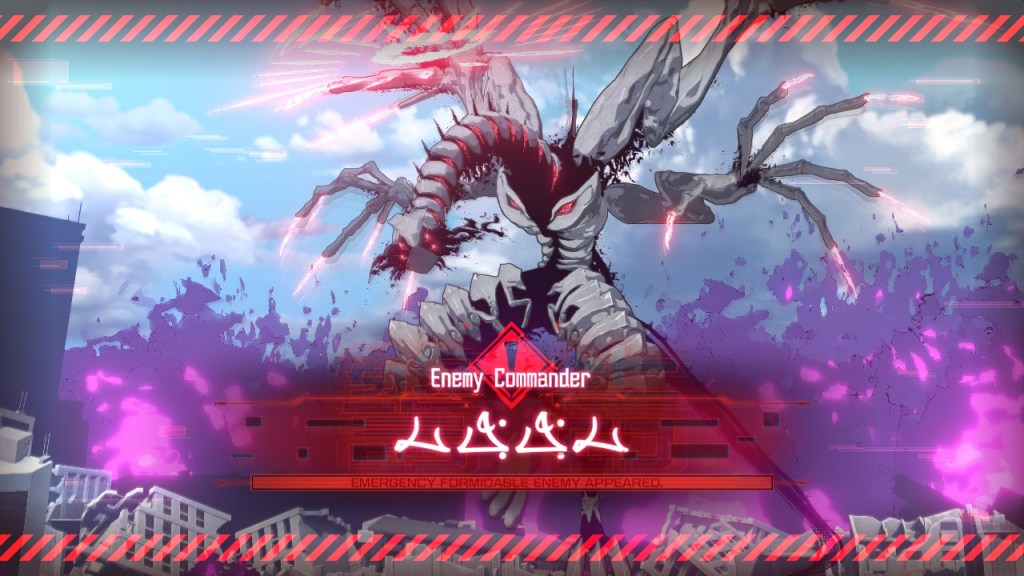
Each character also possesses a unique Specialist Skill- a passive ability that kicks in when conditions are met. Across the cast of characters, they’re largely unique, with only one direct overlap (both Moko and Shouma gain attack on their next turn for every enemy who hits them on this turn- an oddity in a sea of differing abilities). The main character’s combat ability, by the way, allows you to use a retry button from the pause menu. Time travel, huh? I wonder if that’ll have any narrative ramifications…
I really dig the Specialist Skills, so I’m gonna ramble about them for a bit! Killing game addict Darumi has a power that makes it so that her attacks change into a second (buffed) form after she gets fatigued, and after landing a buffed attack, she loses her fatigue and her abilities return to normal. This allows Darumi to take successive turns alternating between full movement and weaker attacks, then low movement and stronger attacks! Given that you can keep going as long as you’ve got AP, Darumi can be quite versatile!

Class meathead Takemaru’s ability is much simpler, but also very fun- for every tile he moves in a turn, he gets one point of armor until the end of the enemy turn. His first attack hits the eight tiles surrounding him, so his Specialist Skill encourages you to zip him across the map (he rides a motorcycle, and can move quite far) and surround himself with enemies, before hitting them all at once. The huge armor boost will keep him safe when the turn swaps!
Unflinching siscon Ima has incredible movement abilities owing to his in-combat flight, allowing him to zip over enemies. His attacks are adequate, but his Specialist Skill really elevates him. As long as his twin sister Kako is in the battle and has five or fewer HP, Ima gets a huge attack boost. Kako is a long range character, so the practicality of setting her up to intentionally lose a lot of life is questionable, but by having her down a risky Desperation Potion (as a reminder, your items automatically refill for free between battles), you can knock her HP down to 1 at any point! This allows you to make Ima hugely powerful at any point in a level. It also adds a nice wrinkle in that you now need to be extra careful with Kako. This need for caution is super compatible with her role as a long range character, but incompatible with her own Specialist Skill, which buffs her attack massively as long as she doesn’t move that turn. Great game design dynamics and risk/reward on display with this pair.
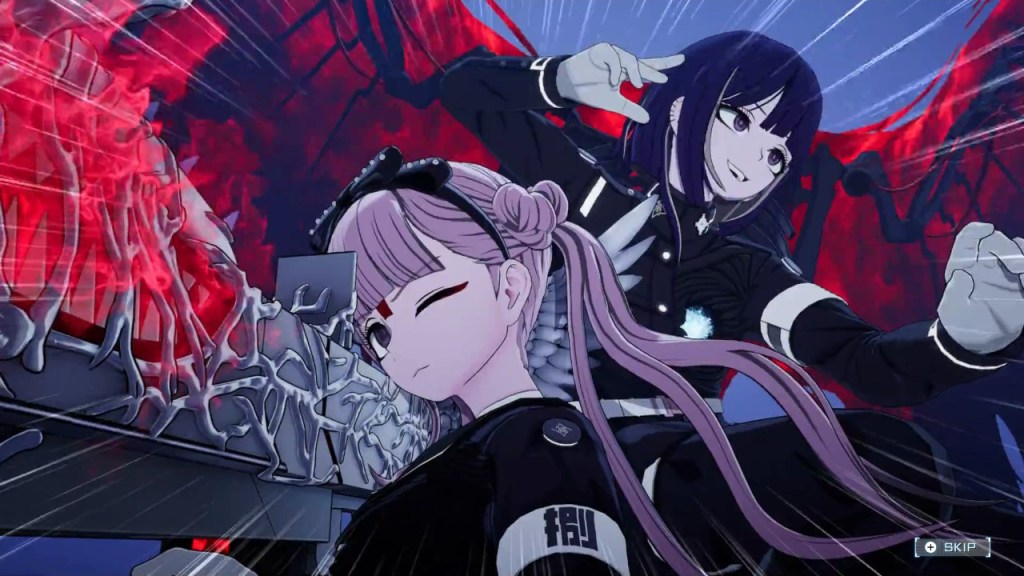
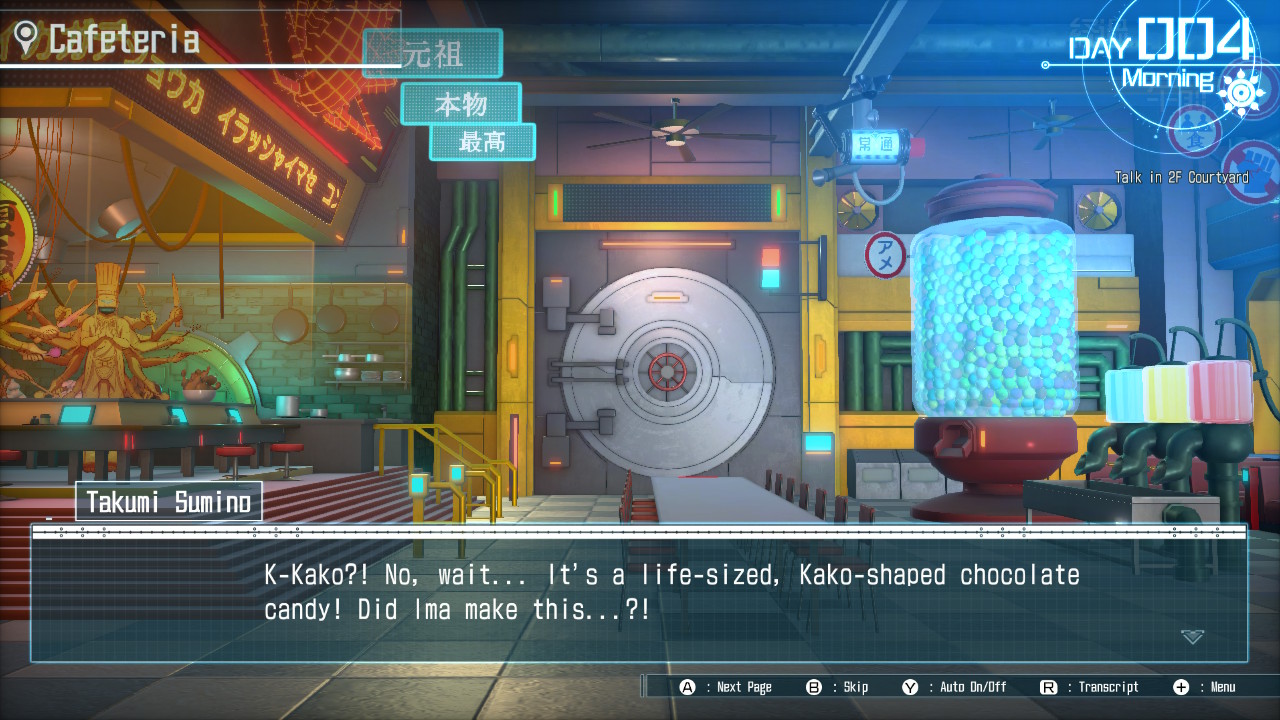
When it comes to enemy turns, your many foes will descend upon you fast and hard, and if you leave a character in a bad spot they’ll quickly be surrounded and wiped out. In perhaps a surprising twist, the game actually doesn’t feature permadeath, with a mechanical coffin swooping in to collect their corpse for later. However, there are fun wrinkles surrounding how death plays into combat. For example, in combat you’ll gain Voltage by performing actions, and can spend it across your characters to temporarily buff them or perform super strong special attacks. When a character’s HP drops below 5 (which is pretty close to death), you’ll be given the option to perform that attack for free at the cost of their life (a tactic that even provides a boost to your post-combat score). When a character dies, you also gain a full meter of Voltage and a temporary buff to Voltage gain, so seeing as your characters aren’t subject to narrative death in combat, offering the user the ability to perform such big sacrifices creates a very fun level to level dynamic that allows you to spend your friends on-stage presence to inflict massive damage or buff your party up. Later on, you’ll get access to an ability for characters that allows them to spend Voltage for a huge attack boost as long as they’re critically low on life, as well. There was clearly a lot of thought put into this, and it’s fun that this low life state confers so many good options to the player when the right answer in TRPGs is usually just to heal.
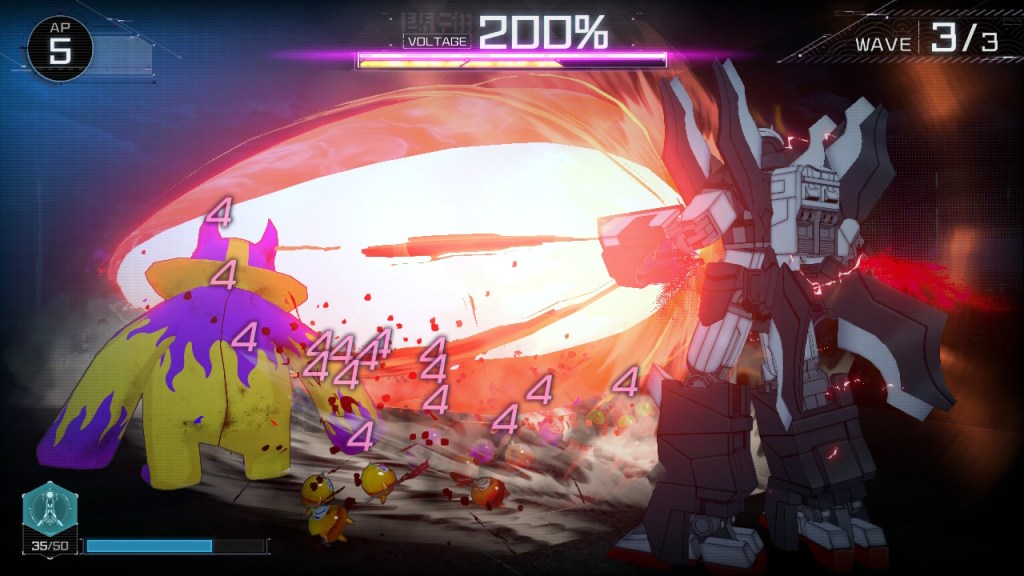

Diehard TRPG fans may be turned off by the idea that the user has no agency over who comes into combat and initial character placement on the map. Every able bodied person fights, every time, and they’re where the designer says they’re gonna’ be. This is often used to quite good effect with unusual character groupings when other characters aren’t available, but can lead to a slightly similar feel in fights where the whole crew is around. In spite of that, I largely find that I still need to use just about every character at some point or another in combat since the enemy hordes are just so big. Relying on your favourite characters alone just isn’t possible, which is really nice. I think offering the ability for the user to customize initial placement would be fun, but I must admit that there are some fights in which it’s clear that the map designers intend for specific characters to be in specific spots, so I concede that the intent of the designers is really more important for in a lot of situations. Combat difficulty also feels largely easy during the first major chunk of the game, though it jumps significantly towards the end of your first playthrough, and makes another big jump after that. The day one patch, which I didn’t have access to for much of my playtime, apparently contains adjustments to “game balances for select battles”, so by the time you read this things may be better. Or worse! In spite of my quibbles, I find the combat very compelling, and not spending five or more minutes setting up characters before combat is actually something I’m kind of down with in this game.
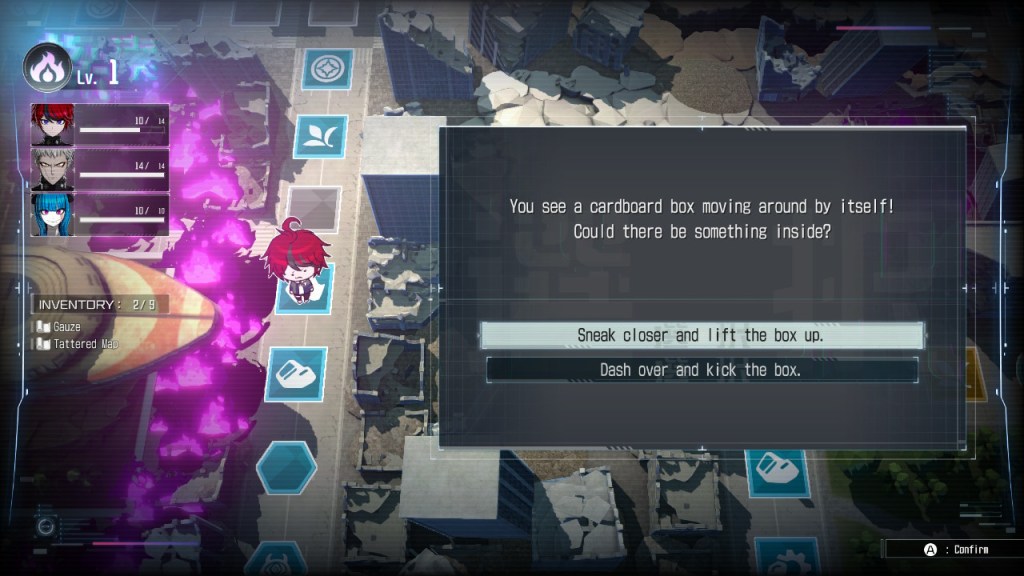
Early in the game, you’ll get to venture outside the school to explore the surrounding wasteland. I wasn’t sure how this was going to be presented, but let me tell you this; I did not have board game style world exploration on my bingo card. You’ll explore the world by using randomly distributed numbered cards to explore, and landing on different tiles offers the opportunity to collect items and fight enemies. There are plenty of traps as well, so you’ll surely take some damage along the way even if you’re being careful. Your life is maintained from battle to battle in these scenarios, so taking too much time to scrounge for resources can whittle you down if you’re not careful. Some of the events you’ll run across can feel a little unfair in their randomness, but on repeat journeys into the wastes, you’ll begin to recognize traps you fell for before. There’s a pervasive randomness that some people may never enjoy here, but I found that after the first couple of trips it was mostly under control. Mostly. There are many points of interest on the map, like a weirdly big house (a mansion?) and a mysterious cave among other places- I have no idea what these things are, and I assume that the scenario will bring me there eventually (as it did with a few other points of interest), so I guess I just have to keep on keeping on for now. The board game element is the weakest part of the game, but I find it enjoyable. It’s leaps and bounds ahead of the Danganronpa equivalents, which I never really liked at all.
Before concluding, I’d like to talk about the particulars of the Switch version, as that was the version I had access to. It’s no secret that the Switch can get the short end of the stick on a lot of multiplatform releases when it comes to performance, but I’m actually really impressed with their work on The Hundred Line’s Switch port. While I regret to inform you that I am not Digital Foundry, to my eye the game appears to run at the Switch’ full native resolution in both docked and handheld mode, with a surprisingly perfect adherence to what appears to be a 30FPS cap. With quick load times and surprisingly high quality pre-rendered cutscenes in tow (the bitrate suffers a bit on the few that are effect-heavy), the game is a looker even on Switch, and it’s very clear that a lot of work went into getting it just right. You’d be forgiven for mistaking this game for a timed exclusive Nintendo themselves paid for- the Switch version is that solid.
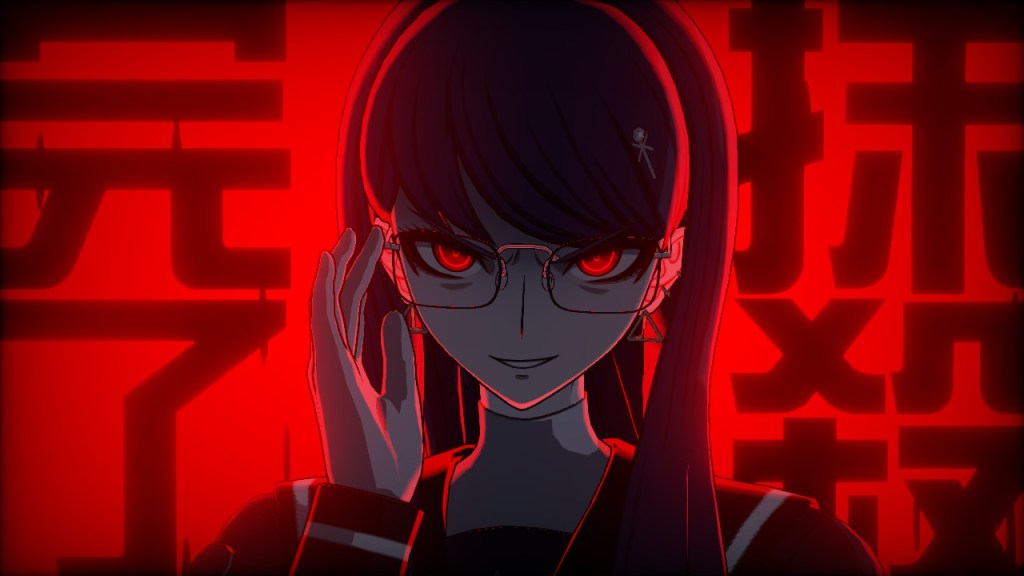
While Master Detective Archives: Rain Code (which was about unraveling murder mysteries) is well-described as being “the” successor to Danganronpa, The Hundred Line somehow manages to feel even more like a successor while doing something completely different. While Rain Code mostly matches Danganronpa in terms of gameplay concepts, the aesthetic and gameplay during the narrative adventure portions of The Hundred Line has even more of a Danganronpa feel, for my money. The Hundred Line is Danganronpa, but it is also, crucially, very much its own thing. It’s a fast paced TRPG, a little board game, and a relentlessly punchy story, all in one. I’m still strongly suspicious that there’s a killing game hidden in here too, and I can’t wait to see how Darumi feels when/if it kicks off. God, I love her.

Any fan of Danganronpa would be remiss to skip this game for the presentation and storytelling style they know they already love. Any fan of TRPGs would miss out on what I think is the freshest take on the genre since 2018’s Into the Breach. Anyone who likes both elements will be missing out on their latest hyperfixation. If you’re a fan of Danganronpa, Zero Escape, or any number of Japanese titles people describe as “quirkly”, please don’t let The Hundred Line pass you by. I can’t underscore enough just how much this game succeeds in all of its ambitions, while also being a truly gargantuan game largely off the back of narrative volume alone. Most games I’d call gargantuan need to lean on an open world, or procedural generation, or whatever the fuck Hyrule Warriors’ Adventure Map is doing. While The Hundred Line leans on combat to pad things out, the narrative design of the combat is very solid, and narrative content frequently continues during combat sequences. The element that takes the most time by far and provides this massive structure is the story, which still stretches out quite endlessly before me. Even 30 hours in, I can rattle off at dozens of things I have yet to figure out, and after all this playtime I still feel no less committed to seeing it through to the end. The Hundred Line is a truly special game, and I feel so overwhelmed by its quality that I really just need to let you all know how special it is, too.
tl;dr: A sprawling 100 day long groundhog day scenario, blindingly sharp TRPG gameplay, and the best Danganronpa-successor vibes come together brilliantly.
9/10
Given my lack of full narrative completion of the game, there’s a possibility I may revise the score at a future time. For now I feel confident about the 9 I’m scoring it at!


 「RISINGSUPERBLOG」
Leave a reply to shannon Cancel reply